



If you are missing one or more teeth, a dental bridge can restore your smile and your confidence. Many Greenacres patients ask what happens during a dental bridge procedure before committing to treatment. Understanding each step helps reduce anxiety and sets clear expectations. At Precision Oral Surgeon Bakersfield, Dr. Sam Harouni walks every patient through the process from start to finish.
This step-by-step guide covers exactly what to expect at each stage. You will learn what the team does, what you may feel, and how we keep you comfortable throughout. Whether you are exploring your options or already scheduled for care, this guide is for you.
Step One: Your Initial Consultation and Treatment Planning in Greenacres
Every dental bridge procedure begins with a thorough consultation. Dr. Harouni examines your teeth, gums, and jawbone to confirm a bridge is the right solution. He also reviews your dental and medical history to plan the safest approach. This first visit sets the foundation for everything that follows.
During this appointment, digital X-rays or 3D scans may be taken. These images show the exact condition of the teeth on either side of the gap. Those neighboring teeth, called abutment teeth, will support your bridge. Understanding their health is critical to a successful outcome.
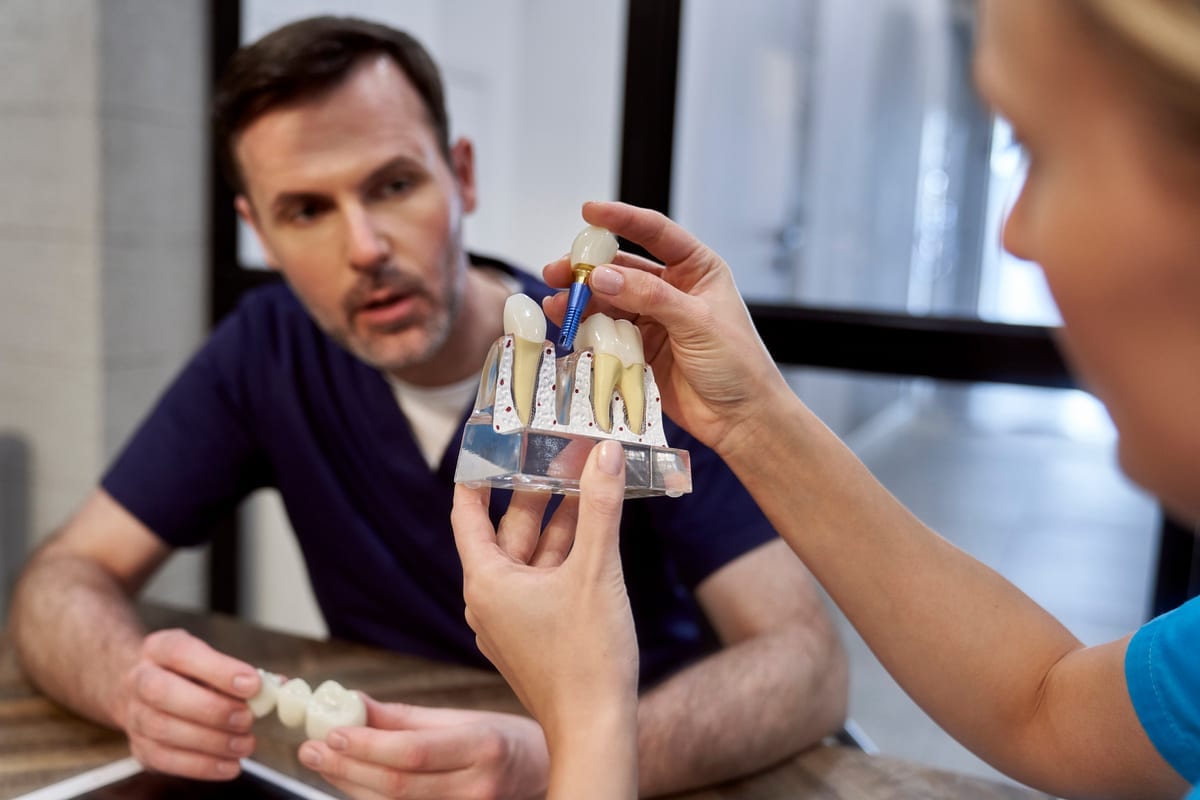
Dr. Harouni will also discuss all available options with you. Some patients are candidates for Dental Implants as an alternative or complementary treatment. Others may benefit from Implant Bridges, which combine implant support with a bridge structure. Every recommendation is based on your unique needs.
Step Two: Preparing the Abutment Teeth
Once treatment is planned, your next visit involves preparing the abutment teeth. Dr. Harouni administers a local anesthetic to keep you completely comfortable. You should feel pressure but no pain during this stage. The team moves carefully and checks in with you throughout.
The preparation involves reshaping the abutment teeth slightly. A small amount of enamel is removed from each supporting tooth. This creates space for the dental crowns that will anchor the bridge in place. The reshaping is precise and conservative.
Here is what happens during abutment preparation:
- Local anesthetic is applied to numb the area fully
- The abutment teeth are cleaned and assessed
- A small layer of enamel is carefully removed from each tooth
- The teeth are shaped to accept the crown caps
- The area is checked for any sensitivity or discomfort
After reshaping, impressions or digital scans are taken of your teeth. These detailed records are sent to a dental lab. The lab uses them to craft your custom bridge. Precision at this stage directly impacts how well your bridge fits and functions.
Step Three: Wearing a Temporary Bridge While You Wait
Your permanent bridge takes time to fabricate at the dental lab. In the meantime, Dr. Harouni places a temporary bridge over your prepared teeth. This temporary restoration protects your abutment teeth and keeps the gap filled. It also helps you eat and speak normally while you wait.
The temporary bridge is not as strong as your permanent one. You should avoid chewing hard or sticky foods on that side. Treat it gently and maintain your regular oral hygiene routine. Brushing and flossing carefully will keep the area healthy.
Most patients wear their temporary bridge for one to three weeks. The exact timeline depends on how quickly the lab completes your permanent bridge. Dr. Harouni’s team will keep you informed about expected timing. You are always welcome to call the office with any questions during this period.
Step Two Continued: What to Expect During the Waiting Period
Some mild sensitivity is normal after abutment preparation. The reshaped teeth may react to hot or cold temperatures. This sensitivity usually fades within a few days. Over-the-counter pain relievers can help manage any mild discomfort.
Benefits of a well-fitted temporary bridge during this phase include:
- Protection for the prepared abutment teeth
- Maintenance of normal bite alignment
- Preservation of spacing so the permanent bridge fits correctly
- Ability to eat and speak with greater ease
- A preview of how your final smile will look and feel
If your temporary bridge feels loose or falls off, contact Precision Oral Surgeon Bakersfield right away. Do not leave the prepared teeth exposed. The team will reattach or replace the temporary bridge quickly to keep your treatment on track.
Step Four: Placing Your Permanent Dental Bridge
When your permanent bridge is ready, you return to the office for placement. Dr. Harouni first removes your temporary bridge carefully. He then cleans the abutment teeth and checks the fit of your new bridge. A good fit is essential for long-term comfort and function.
The permanent bridge is tried in before it is cemented. Dr. Harouni evaluates the color, shape, and bite alignment. He may make small adjustments to ensure the bridge seats perfectly. Your feedback during this step matters, so speak up if anything feels off.
Once the fit is confirmed, the bridge is cemented into place. The dental cement hardens quickly and bonds the bridge securely. Dr. Harouni checks your bite one final time after placement. Any minor refinements are made immediately so you leave feeling comfortable.
Here is a summary of what happens during a dental bridge procedure at placement:
- The temporary bridge is removed and the teeth are cleaned
- The permanent bridge is seated and evaluated for fit
- Color, shape, and bite are assessed and adjusted as needed
- The bridge is bonded permanently with dental cement
- A final bite check confirms everything is aligned correctly
Aftercare and Recovery for Greenacres Patients
Most patients adjust to their new bridge quickly. You may notice slight changes in speech or chewing for the first few days. This is completely normal and resolves as your mouth adapts. Most people feel fully comfortable within one to two weeks.
Caring for your bridge properly extends its lifespan significantly. Brush twice daily with a soft-bristled toothbrush. Use floss threaders or an interdental brush to clean beneath the bridge. Regular dental check-ups help catch any issues early.
Avoid habits that can damage your bridge. Chewing ice, biting your nails, or grinding your teeth puts extra stress on the restoration. Dr. Harouni may recommend a night guard if you grind your teeth during sleep. Protecting your investment keeps your bridge functional for many years.
Conclusion: Restoring Your Smile with Confidence
Understanding what happens during a dental bridge procedure removes the fear of the unknown. From consultation to placement, every step is designed with your comfort and outcome in mind. Dr. Sam Harouni and the team at Precision Oral Surgeon Bakersfield are committed to guiding Greenacres patients through the process with care and expertise. Book Now to schedule your appointment with our team.
Frequently Asked Questions
How long does the entire dental bridge procedure take?
The full process typically spans two to three weeks. Your first visit covers consultation and preparation. The second visit places your permanent bridge once the lab completes it. Some cases may require additional appointments depending on complexity.
Is the dental bridge procedure painful?
The procedure is performed under local anesthesia, so you should not feel pain during treatment. Some mild soreness or sensitivity is normal in the days following preparation. Over-the-counter pain relievers are usually sufficient to manage any discomfort. Dr. Harouni’s team monitors your comfort throughout every stage.
How long does a dental bridge last?
A well-maintained dental bridge can last ten to fifteen years or longer. Longevity depends on oral hygiene habits, diet, and the health of the supporting teeth. Regular check-ups and proper daily care significantly extend the life of your bridge. Dr. Harouni will provide personalized aftercare guidance at your appointment.
Can I eat normally with a dental bridge?
Yes, a permanent dental bridge allows you to eat most foods comfortably. During the temporary bridge phase, you should avoid hard, sticky, or chewy foods. Once the permanent bridge is in place, you can gradually return to a normal diet. Start with softer foods and progress as your comfort improves.
What is the difference between a dental bridge and a dental implant?
A dental bridge uses the neighboring teeth as anchors to support a replacement tooth. A dental implant is anchored directly into the jawbone and does not rely on surrounding teeth. Both are effective solutions for missing teeth and have different candidacy criteria. Dr. Harouni will recommend the best option based on your specific oral health needs.

Expert Oral Care at Your Fingertips
Experience exceptional oral care tailored to your needs. Contact us to schedule an appointment and explore the transformative possibilities for your oral health. Your brighter smile is just a call away.