


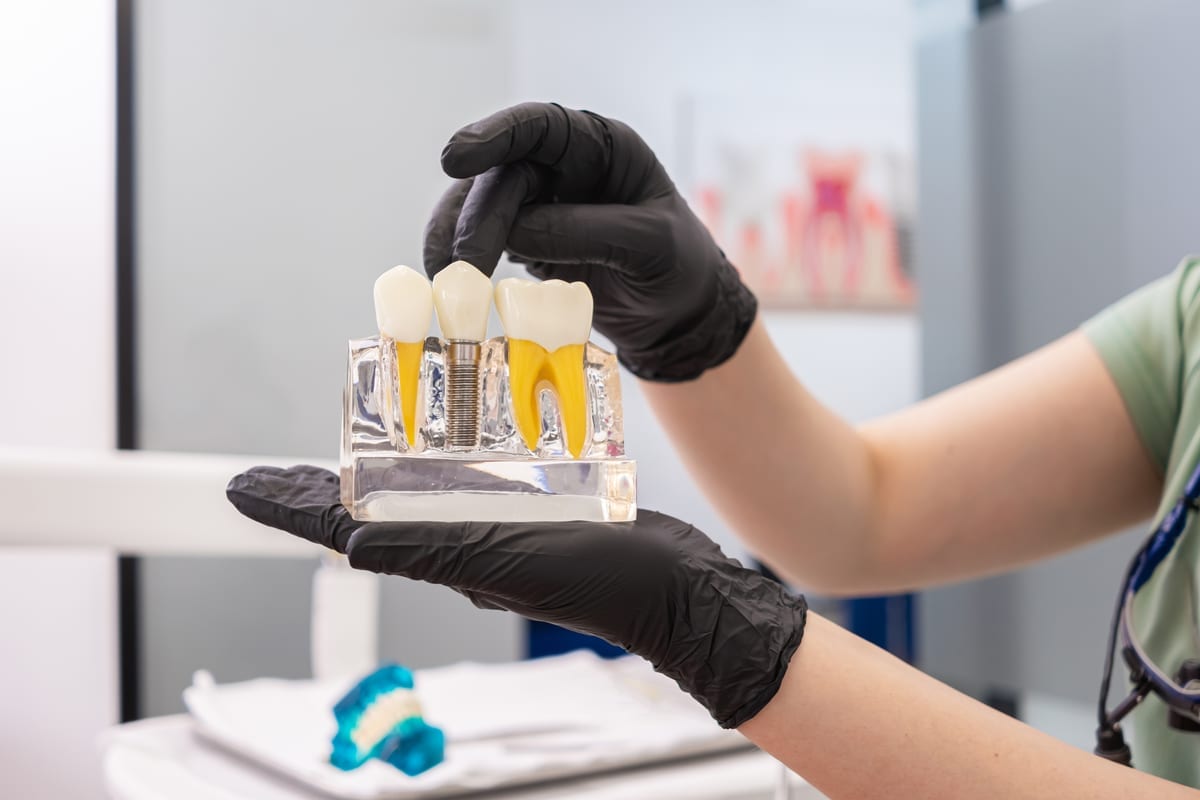
If you recently had a dental bridge placed, you probably have questions about the days ahead. Knowing what to expect after your dental bridge — including pain, diet, and your recovery timeline in Greenacres — helps you heal faster and with less stress. At Precision Oral Surgeon Bakersfield, Dr. Sam Harouni and our team are committed to guiding you through every stage of recovery. This article walks you through everything you need to know.
Understanding Your Recovery Timeline After a Dental Bridge in Greenacres
Most patients recover comfortably within one to two weeks after a dental bridge procedure. The first few days typically involve the most sensitivity and adjustment. Your mouth needs time to adapt to the new restoration and heal around the abutment teeth.
Here is a general timeline to help set your expectations:
- Days 1–3: Mild to moderate soreness around the treated area is normal. Swelling may be present near the gumline.
- Days 4–7: Sensitivity decreases significantly. You begin returning to a more normal diet gradually.
- Week 2: Most patients feel comfortable eating a wider variety of foods. Gum tissue continues to settle around the bridge.
- Week 3 and beyond: Full adaptation occurs. Your bite should feel natural and comfortable.
Every patient heals at a different pace. If your symptoms worsen after the first week, contact our office right away. Dr. Harouni wants to ensure your recovery stays on track.
Managing Pain and Discomfort After Your Bridge Procedure
Some discomfort after a dental bridge is completely normal. Your dentist prepares the abutment teeth by reshaping them, which can cause temporary sensitivity. Understanding how to manage this discomfort helps you stay comfortable throughout recovery.
Here are some effective pain management strategies recommended by Dr. Harouni:
- Take over-the-counter pain relievers like ibuprofen or acetaminophen as directed.
- Avoid extremely hot or cold foods during the first few days.
- Rinse gently with warm saltwater to reduce inflammation around the gumline.
- Avoid touching the bridge area with your tongue repeatedly.
- Sleep with your head slightly elevated to reduce swelling overnight.
Sensitivity to temperature is especially common in the first week. This happens because the abutment teeth are newly shaped and temporarily exposed. Most sensitivity resolves on its own without additional treatment.
If you experience sharp, persistent pain or the bridge feels loose, call our Bakersfield office immediately. These symptoms may indicate an issue that needs prompt attention.
What to Eat — and Avoid — During Dental Bridge Recovery in Greenacres
Your diet plays a major role in how quickly and comfortably you recover. Eating the right foods protects your bridge and keeps your healing tissues calm. Making smart food choices in the first week makes a real difference.
Recommended foods during the first week:
- Soft scrambled eggs and yogurt
- Mashed potatoes and well-cooked vegetables
- Smoothies and protein shakes
- Oatmeal, applesauce, and soft soups
- Soft fish like tilapia or salmon
Foods to avoid during recovery:
- Hard or crunchy foods like chips, raw carrots, or nuts
- Sticky candies, caramel, or gum
- Tough meats that require heavy chewing
- Extremely hot or cold beverages
- Carbonated or sugary drinks
Chewing on the opposite side of your mouth during the first few days is a helpful habit. This reduces direct pressure on your new bridge while the surrounding tissue heals. Gradually reintroduce firmer foods as your comfort improves through the second week.
How to Care for Your Dental Bridge and Prevent Complications
Proper aftercare keeps your bridge functioning for many years. A well-maintained dental bridge can last ten to fifteen years or even longer. Consistent home care is the biggest factor in that longevity.
Follow these aftercare habits starting from day one:
- Brush gently around the bridge twice daily using a soft-bristled toothbrush.
- Use a floss threader or water flosser to clean beneath the bridge pontic.
- Avoid using your bridge to bite nails, open packages, or chew on hard objects.
- Attend your follow-up appointment with Dr. Harouni to confirm proper fit and bite alignment.
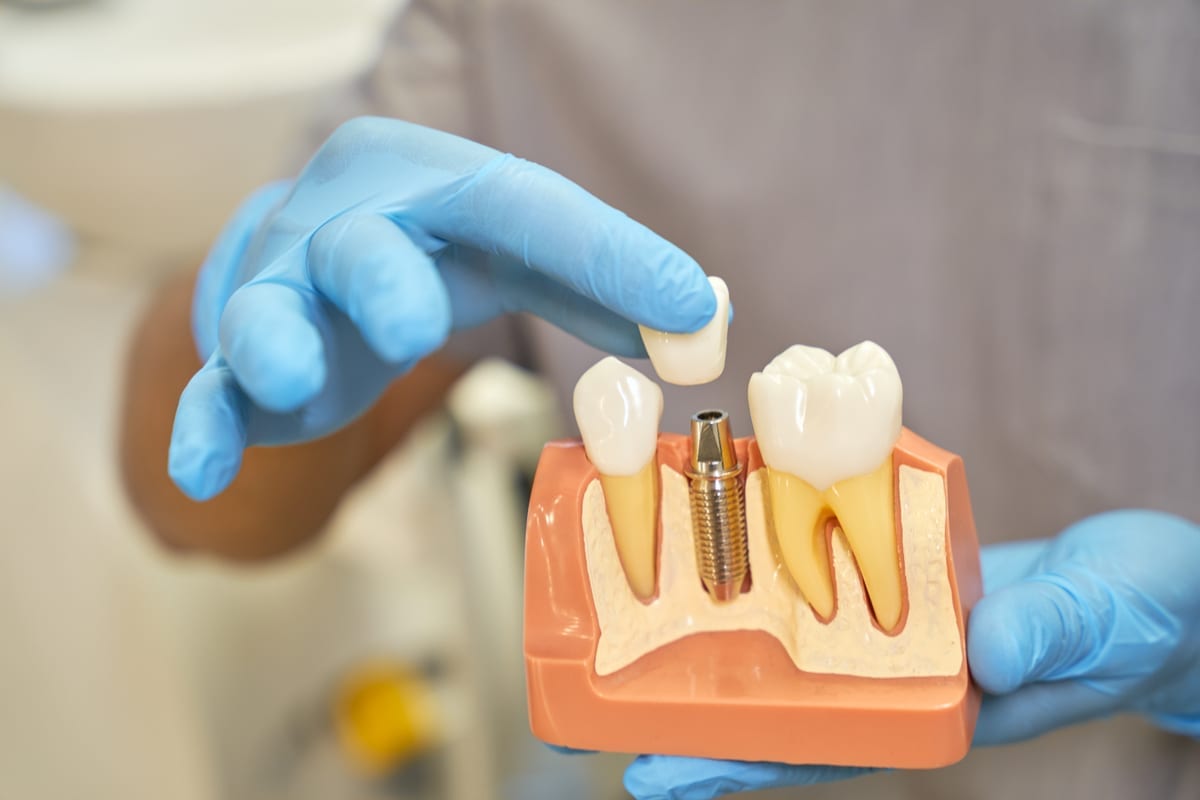
Some Greenacres patients ask about alternatives like Dental Implants. Implants are a longer-term tooth replacement option that does not rely on neighboring teeth. Discussing both options with Dr. Harouni helps you make the most informed decision for your oral health.
Patients who prefer a more fixed implant-supported solution may also explore Implant Bridges. These combine the strength of dental implants with the coverage of a traditional bridge. Dr. Harouni can evaluate which approach suits your specific situation best.
When to Call Our Office During Your Recovery
Most bridge recoveries go smoothly when patients follow aftercare instructions. However, certain symptoms are warning signs that need professional attention. Do not wait and hope they resolve on their own.
Contact Precision Oral Surgeon Bakersfield right away if you notice:
- Pain that gets worse after the third day instead of improving
- A bridge that feels loose, shifts, or clicks when you bite
- Visible swelling or discharge around the gumline
- Difficulty closing your mouth or a noticeably uneven bite
- A foul taste or odor that does not resolve with rinsing
These symptoms do not always signal something serious. However, early evaluation prevents small problems from becoming larger ones. Dr. Harouni and our team are always here to answer your concerns quickly and calmly.
Greenacres patients can reach our Bakersfield office easily for same-day or next-day urgent appointments. We take post-procedure concerns seriously and prioritize your comfort and peace of mind.
Conclusion: Your Bridge Recovery Starts with the Right Support
Understanding what to expect after your dental bridge — from pain and diet to your recovery timeline in Greenacres — puts you in control of your healing journey. With the right knowledge and a trusted dental team behind you, recovery is manageable and straightforward. Dr. Sam Harouni and the Precision Oral Surgeon Bakersfield team are here to support you at every step. Book Now to schedule your appointment with our team.
Frequently Asked Questions
How long does it take to fully recover from a dental bridge?
Most patients feel comfortable within one to two weeks after their dental bridge procedure. Full adaptation to the bridge, including gum tissue settling and bite normalization, typically occurs within three to four weeks. Every patient heals at their own pace depending on overall health and aftercare habits.
Is it normal to have pain after getting a dental bridge?
Yes, mild to moderate soreness is completely normal for the first few days after a dental bridge placement. The discomfort comes from the preparation of the abutment teeth and the adjustment period for your surrounding gum tissue. Over-the-counter pain relievers and warm saltwater rinses usually manage this discomfort effectively.
What foods should I avoid after a dental bridge procedure?
During the first week, avoid hard, crunchy, or sticky foods that could stress your new bridge. This includes chips, raw vegetables, hard candies, caramel, and tough meats. Stick to soft foods like yogurt, mashed potatoes, smoothies, and cooked fish while your mouth heals.
How do I clean under a dental bridge?
Cleaning beneath the bridge pontic requires a floss threader, dental tape, or a water flosser. Standard floss cannot reach this area effectively on its own. Dr. Harouni recommends building this step into your daily oral hygiene routine to prevent plaque buildup and gum disease beneath the bridge.
What is the difference between a traditional dental bridge and an implant bridge?
A traditional dental bridge uses your natural neighboring teeth as anchors, while an implant bridge is supported by titanium dental implants placed in the jawbone. Implant bridges do not require reshaping adjacent healthy teeth and tend to offer greater long-term stability. Dr. Harouni can help you determine which option is the best fit for your oral health needs.

Expert Oral Care at Your Fingertips
Experience exceptional oral care tailored to your needs. Contact us to schedule an appointment and explore the transformative possibilities for your oral health. Your brighter smile is just a call away.