


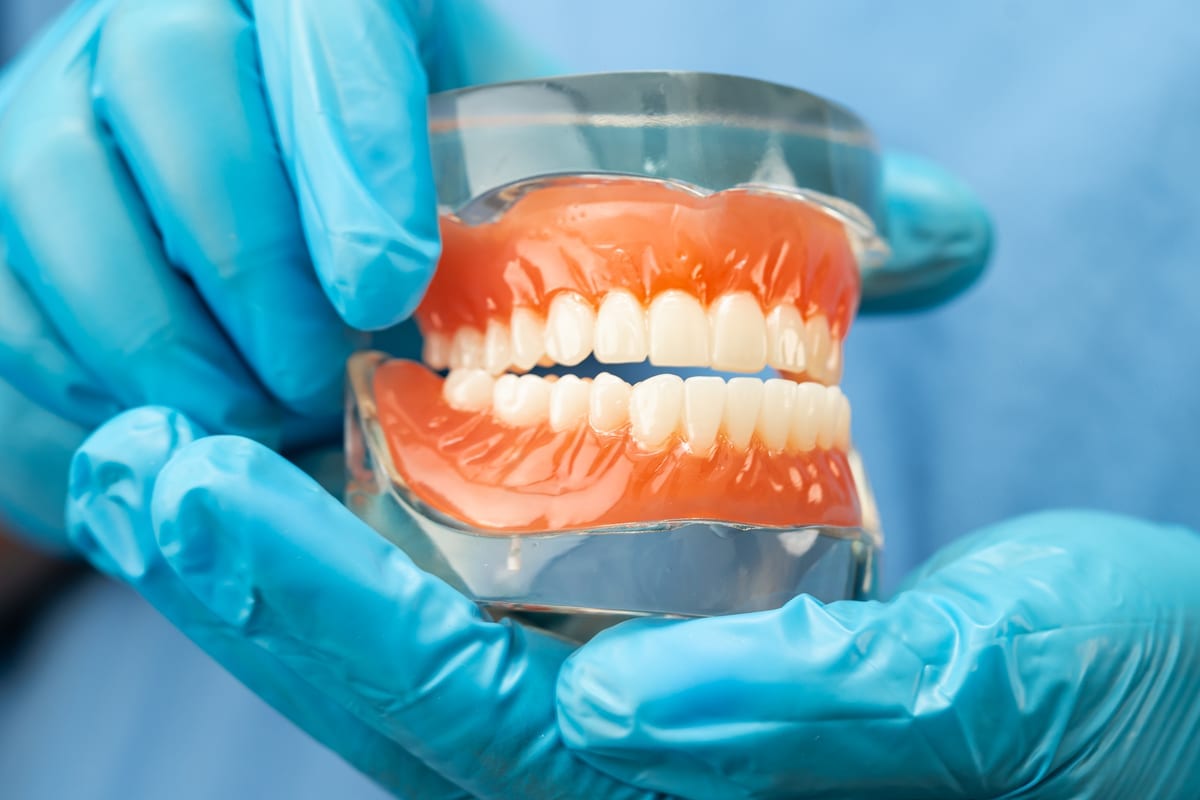
If you’ve recently lost a tooth — or several — you’re probably weighing your options. For many patients in Oildale, the biggest question is simple: dentures or implants? When comparing dentures vs. implants and which actually preserves your jawbone long-term, the answer matters far beyond just appearance. Your choice affects how you eat, speak, and feel for decades. Dr. Sam Harouni at Precision Oral Surgeon Bakersfield helps patients understand the real differences so they can make confident, informed decisions.
Why Jawbone Preservation Matters More Than Most People Realize
When you lose a tooth, the jawbone underneath begins to change. Without a tooth root stimulating the bone, your body gradually reabsorbs it. This process is called bone resorption, and it happens faster than most patients expect.
Within the first year of tooth loss, you can lose up to 25% of bone width in that area. Over time, this affects your facial structure. Your cheeks may appear sunken, and your bite can shift significantly.
Bone loss also affects how well your dental restoration fits and functions. This is why the question of jawbone preservation isn’t just cosmetic — it’s foundational to your long-term oral health. Understanding this distinction is central to the dentures vs. implants conversation for Oildale residents.
How Dentures Work — And Where They Fall Short
Dentures are removable prosthetic devices that replace missing teeth. They rest on the gums and are held in place by suction, adhesive, or clasps on nearby teeth. They are a time-tested solution and often more accessible upfront.
However, dentures sit on top of the gum tissue. They do not replace the tooth root. Without that root-level stimulation, bone resorption continues uninterrupted beneath the denture.
Over time, this creates a frustrating cycle. As the jawbone shrinks, the denture no longer fits properly. Patients often return for refitting or relining every few years. This ongoing maintenance adds up in both time and cost.
- Dentures do not stop jawbone loss
- Bone resorption can change how dentures fit over time
- Refitting and relining are common long-term expenses
- Loose dentures can affect speech and eating confidence
- Adhesives are often needed as fit decreases
For many Oildale patients, this ongoing management becomes a significant quality-of-life concern. Dentures still serve an important role for many people, but their limitations around bone health are real and worth understanding honestly.
How Dental Implants Preserve Bone — The Science Behind It
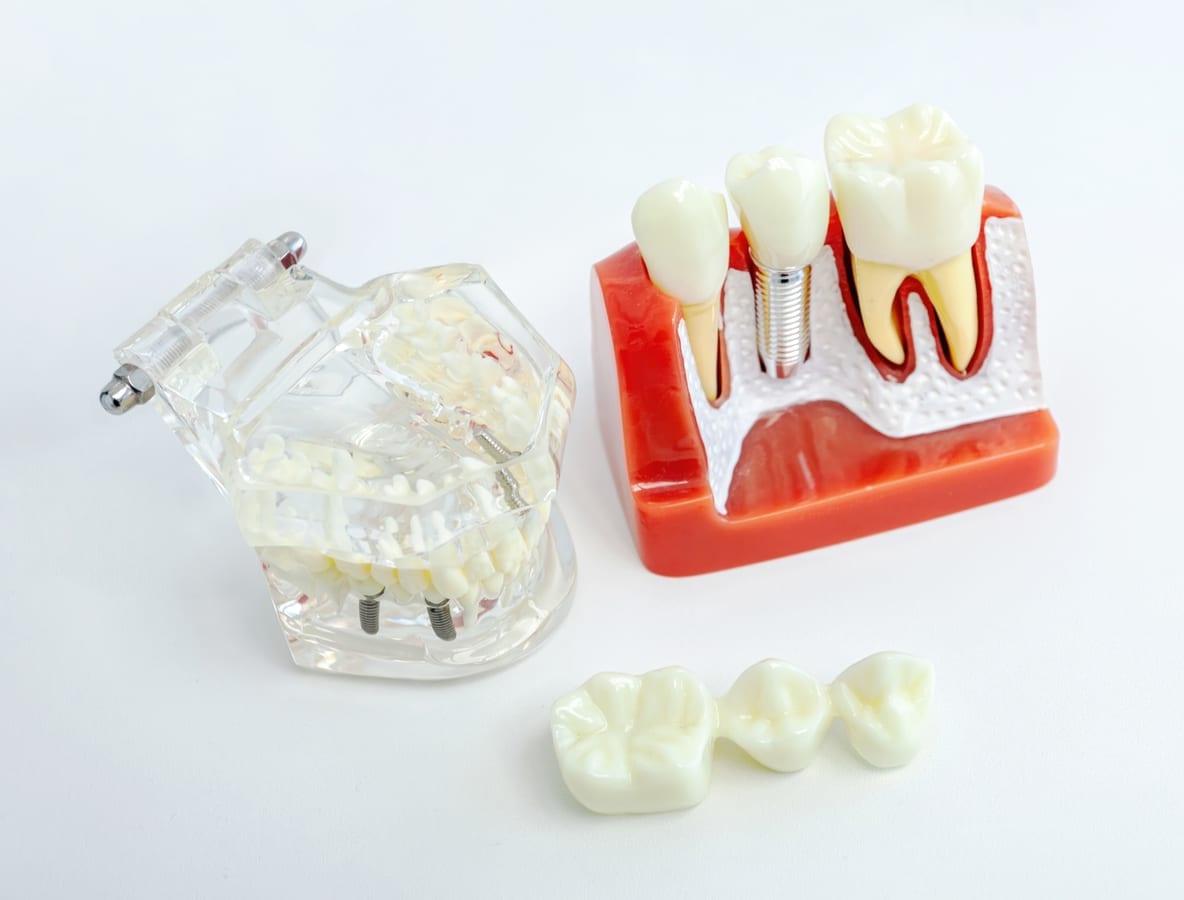
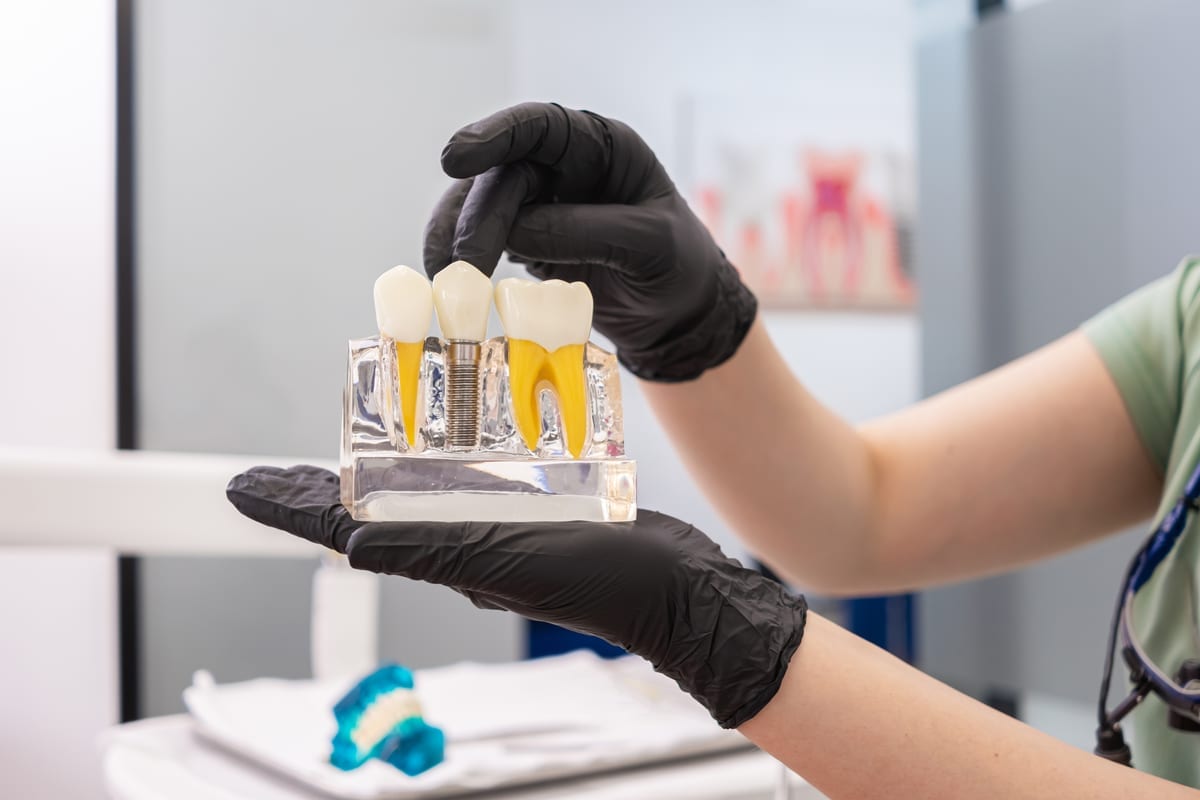
Dental Implants work differently from the ground up — literally. An implant is a small titanium post placed directly into the jawbone. It acts as an artificial tooth root, mimicking natural stimulation every time you chew.
This stimulation signals your body to maintain bone density in that area. The jawbone stays strong and full because it receives the mechanical pressure it needs. This process is called osseointegration, and it’s what makes implants uniquely effective at stopping bone loss.
Studies consistently show that implants preserve bone better than any other tooth replacement option. Patients with implants maintain their facial structure, bite alignment, and jaw strength long-term. That’s a significant advantage when thinking decades ahead.
- Implants mimic natural tooth roots
- Osseointegration bonds the implant directly to the bone
- Bone density is maintained with ongoing chewing stimulation
- Facial structure stays fuller and more natural-looking
- No refitting needed as the jaw changes
For patients in Oildale considering long-term oral health, implants offer a structural solution that dentures simply cannot replicate. The bone-preserving benefit alone makes implants worth serious consideration.
Cost and Function: An Honest Side-by-Side Comparison
Let’s talk honestly about cost. Dentures typically have a lower upfront cost than implants. This makes them appealing, especially when budget is a concern. However, the long-term picture is more nuanced.
Implants cost more initially, but they rarely require the ongoing maintenance that dentures demand. No adhesives, no annual refitting, no replacement every five to ten years. Many patients find that implants become cost-effective over a 10-to-20-year timeline.
Function is another critical factor. Dental implants restore chewing power to nearly 90–100% of natural bite strength. Dentures, by contrast, typically restore around 20–25% of natural chewing ability. That difference affects what foods you can eat and how comfortably you enjoy meals.
For patients who need to replace multiple teeth, Implant Bridges offer a strong middle-ground option. They use implants as anchors to support a bridge, reducing the total number of individual implants needed while still preserving bone and function.
Quality of Life: What Patients Actually Experience Over Time
Beyond clinical data, real patient experience tells an important story. Denture wearers often report challenges with eating hard or sticky foods. Many feel self-conscious about slippage during conversation or meals. These aren’t minor inconveniences — they affect daily confidence and social comfort.
Implant patients, on the other hand, consistently report feeling like they have their natural teeth back. They eat freely, speak clearly, and don’t think twice about their smile in public. That psychological benefit carries real weight.
Over the long term, patients with implants also avoid the progressive facial changes that bone loss causes. Sagging cheeks and a shortened lower face are common among long-term denture wearers. Implants help prevent these changes entirely.
For Oildale residents making this decision, quality of life should factor just as heavily as cost. Dr. Sam Harouni takes time with every patient to explain these trade-offs clearly. No pressure — just honest, personalized guidance.
Which Option Is Right for You?
The right choice depends on your specific health history, bone density, and personal goals. Not every patient is immediately a candidate for implants. Some require bone grafting first to rebuild sufficient jaw structure.
During a consultation at Precision Oral Surgeon Bakersfield, Dr. Harouni evaluates your bone health, bite, and overall oral condition. He explains all options transparently, including hybrid approaches that combine implants with other restorations.
The goal is always to match the right solution to your life — not to push a one-size-fits-all answer. Whether you’re starting the conversation or ready to move forward, the team is here to guide you with expertise and care.
If you’re ready to take the next step toward a healthier, more confident smile, Book Now to schedule your appointment with our team.
Frequently Asked Questions
Do dentures cause jawbone loss over time?
Yes. Dentures rest on the gum surface and do not replace the tooth root. Without root-level stimulation, the jawbone beneath the denture gradually resorbs. This is one of the primary long-term concerns with dentures compared to implants.
How long do dental implants last compared to dentures?
Dental implants can last 20 to 30 years or longer with proper care. Dentures typically need to be relined or replaced every 5 to 10 years as the jawbone changes shape beneath them. Implants are generally the more durable long-term investment.
Are dental implants painful to get?
Most patients report that the implant procedure is more comfortable than they expected. Local anesthesia is used during placement, and Dr. Harouni’s team prioritizes patient comfort throughout every step. Post-procedure soreness is typically mild and manageable.
Can I switch from dentures to implants later?
Yes, but bone loss from long-term denture use may require a bone grafting procedure first. The sooner you consider implants after tooth loss, the more bone is preserved and available for implant placement. Early consultation is always beneficial.
Are implant bridges a good option for multiple missing teeth?
Implant bridges are an excellent solution for replacing several adjacent teeth. They use implant posts as stable anchors, eliminating the need for an implant at every missing tooth position. This approach preserves bone while restoring function and aesthetics effectively.
Expert Oral Care at Your Fingertips
Experience exceptional oral care tailored to your needs. Contact us to schedule an appointment and explore the transformative possibilities for your oral health. Your brighter smile is just a call away.