


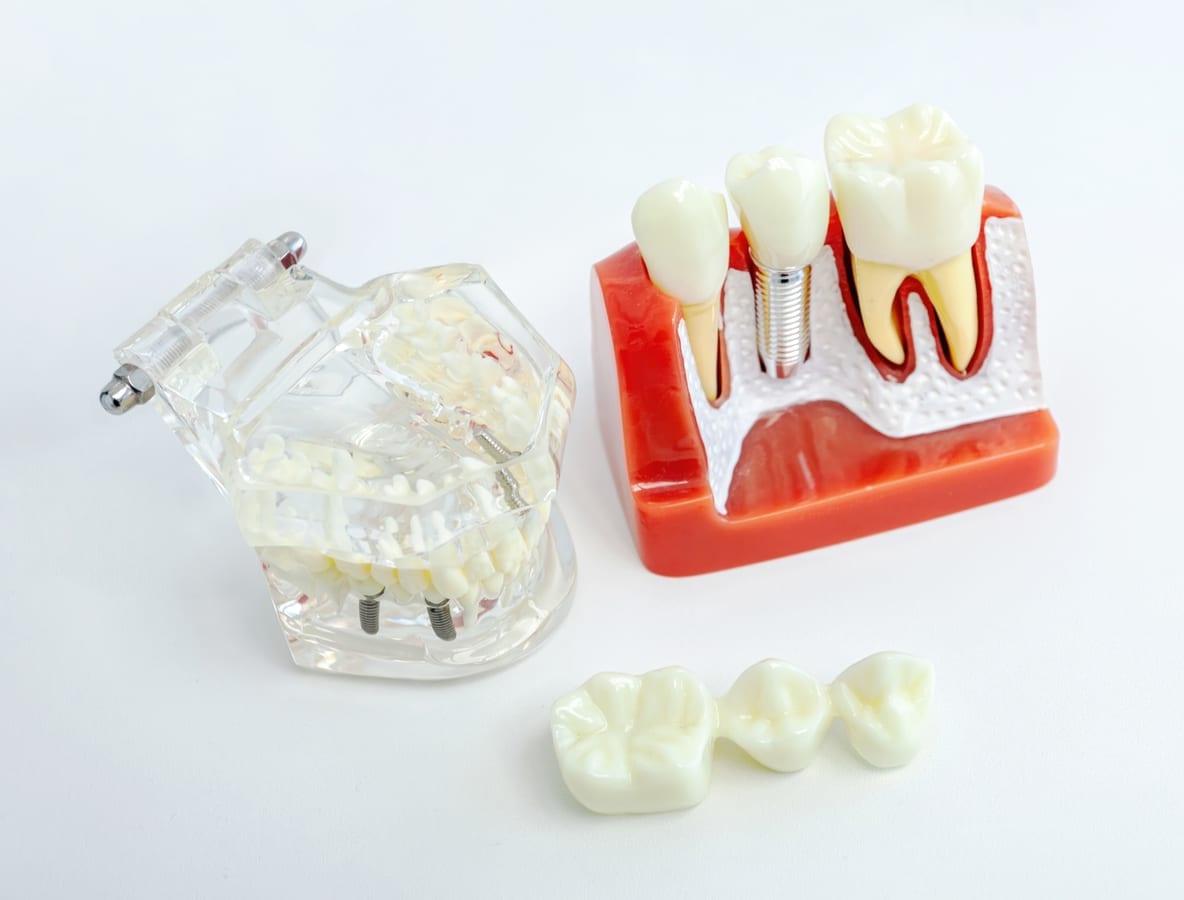
Many Bakersfield patients ask the same question before committing to treatment: do dental implants really last a lifetime in Bakersfield? It is a fair and important question. Implants are a significant investment in your oral health. The honest answer is that implants can last decades — but their lifespan depends on several factors within your control.
At Precision Oral Surgeon Bakersfield, Dr. Sam Harouni helps patients understand exactly what to expect. This article breaks down how long implants typically last, what shortens their lifespan, and what you can do to protect them for years to come.
How Long Do Dental Implants Actually Last in Bakersfield?
Studies consistently show that dental implants have a success rate above 95% over ten years. Many patients keep their implants for 25 years or longer. The titanium post fused into your jawbone is designed for permanent placement.
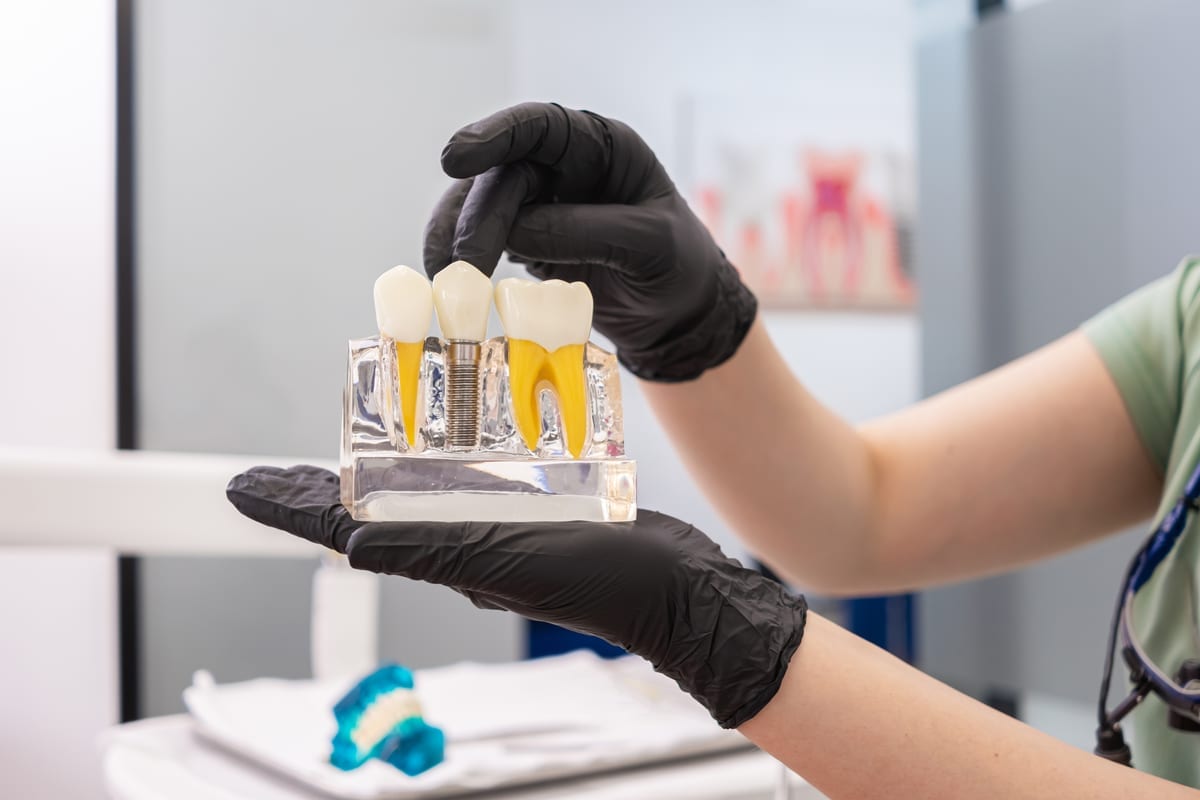
However, the crown attached to the implant wears down faster. Most crowns last 10 to 15 years before needing replacement. Think of the implant itself as the foundation and the crown as the surface layer above it.
The implant post and the crown have different lifespans. Understanding this distinction helps set realistic expectations. With proper care, the post rarely needs replacement at all.
Key Factors That Affect Implant Longevity
Several factors determine whether your implant lasts a decade or a lifetime. Some relate to your lifestyle. Others relate to your overall health and oral hygiene habits.
Here are the most common factors that shorten implant lifespan:
- Smoking or tobacco use — reduces blood flow and slows healing
- Uncontrolled diabetes — impairs the body’s ability to fuse bone to the implant
- Poor oral hygiene — allows bacteria to attack the gum and bone around the implant
- Teeth grinding (bruxism) — places excessive force on the crown and post
- Bone loss in the jaw — reduces the stable foundation needed for the implant
- Skipping dental check-ups — allows small problems to become big ones undetected
Each of these risks is manageable with the right guidance. Dr. Harouni evaluates all of these factors during your consultation. Addressing them early dramatically improves your long-term outcome.
What You Can Do to Make Implants Last a Lifetime
The good news is that most patients in Bakersfield can take clear steps to extend implant lifespan. Longevity is not just luck — it is largely a result of daily habits and regular professional care.
Follow these proven strategies to protect your implant investment:
- Brush twice daily using a soft-bristle toothbrush around the implant site
- Floss daily with implant-safe floss or an interdental brush
- Use an antibacterial mouthwash to reduce harmful bacteria near the gumline
- Visit your dentist every six months for professional cleanings and X-rays
- Wear a nightguard if you grind your teeth while sleeping
- Quit smoking to protect blood flow and bone integration
- Manage systemic conditions like diabetes with your primary care physician
These habits are simple but powerful. They keep the bone and gum tissue around your implant healthy. Healthy supporting tissue is the single biggest predictor of long-term implant success.
Implant-Supported Restorations and Their Lifespan
Not every patient receives a single crown on one implant. Some patients need more comprehensive restorations. These options also offer excellent durability when properly maintained.
For patients missing several teeth, Implant Bridges Bakersfield offer a fixed, stable alternative to removable partials. These bridges anchor to implant posts rather than natural teeth. That means no damage to healthy neighboring teeth over time.
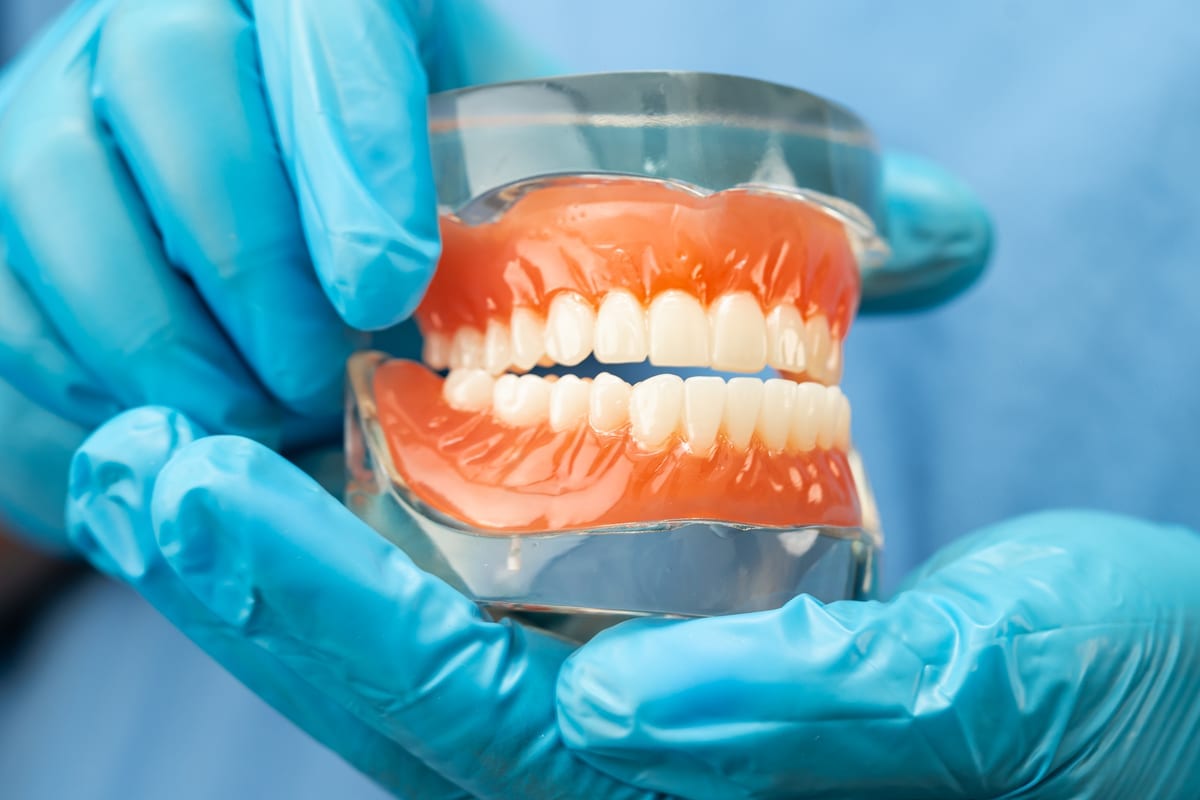
Patients who have lost most or all of their teeth may benefit from Implant Overdentures Bakersfield. Overdentures snap onto implant posts for stability. They reduce bone loss and significantly outlast traditional removable dentures.
Both restorations rely on healthy underlying implants to function well. That is why caring for the implants themselves — not just the visible restoration — is so important.
Warning Signs Your Implant May Need Attention
Catching problems early is critical to preserving your implant. Most implant complications are treatable when identified at the right stage. Waiting too long can lead to implant failure.
Watch for these warning signs and contact Dr. Harouni promptly if you notice them:
- Persistent pain or pressure around the implant site
- Swollen, red, or bleeding gums near the implant
- A feeling that the implant is loose or shifting
- Difficulty chewing or biting that was not present before
- Visible bone recession around the base of the implant
Peri-implantitis is the most common threat to implant longevity. It is essentially gum disease around an implant. It is treatable — but only if caught early enough.
Frequently Asked Questions
How long do dental implants typically last?
The titanium implant post can last a lifetime with proper care. The crown placed on top usually lasts 10 to 15 years before it may need replacement due to normal wear. Regular check-ups help extend the life of both components.
Can dental implants fail years after placement?
Yes, late implant failure can occur — usually due to gum disease, bone loss, or trauma. This is why ongoing maintenance is essential even after the implant feels fully settled. Routine X-rays allow Dr. Harouni to detect early changes before failure occurs.
Does smoking really affect how long implants last?
Absolutely. Smoking significantly increases the risk of implant failure. It reduces blood flow to the gums and slows the bone integration process. Patients who quit smoking before and after implant placement have much higher long-term success rates.
Are implant-supported bridges and overdentures as durable as single implants?
Yes, when properly placed and maintained. Implant bridges and overdentures rely on the same titanium posts as single implants. Their durability depends on the health of the supporting implants and the patient’s daily oral care routine.
How often should I see Dr. Harouni after getting dental implants in Bakersfield?
Most patients visit every six months for routine check-ups and professional cleanings. Patients with higher risk factors — such as diabetes or a history of gum disease — may benefit from more frequent visits. Consistent monitoring is the best way to ensure long-term implant success.
If you are considering dental implants or want to protect the ones you already have, Dr. Sam Harouni and the team at Precision Oral Surgeon Bakersfield are here to guide you every step of the way. Book Now to schedule your appointment with our team.

Expert Oral Care at Your Fingertips
Experience exceptional oral care tailored to your needs. Contact us to schedule an appointment and explore the transformative possibilities for your oral health. Your brighter smile is just a call away.