

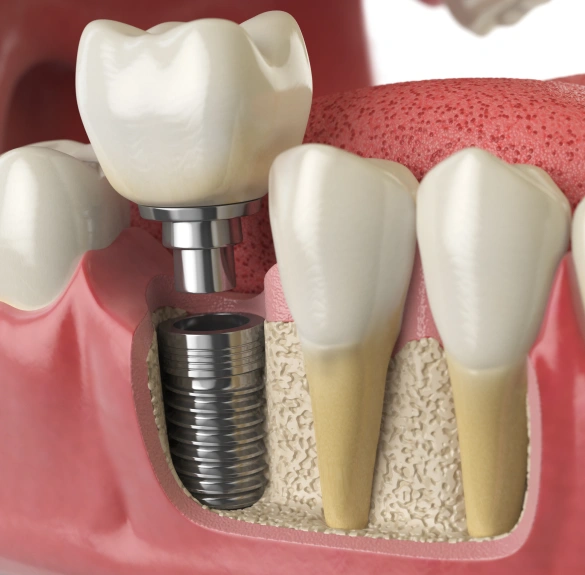
Bone Grafting & PRF for Extractions and Implants
Stronger Foundations. Better Outcomes.
Healthy bone is the foundation for long-lasting dental implants, comfortable dentures and bridges, and predictable healing after a tooth is removed.
Bone grafting and platelet-rich fibrin, or PRF, are two techniques we may recommend to help preserve or rebuild bone and support your body's natural healing process.

Stronger Bone Support

Long-Term Treatment Support

Natural Healing

Patient-Centered Care
Why Bone Grafting May Be Recommended
After a tooth is lost or removed, the jawbone in that area can gradually shrink. Bone grafting places bone-building material where additional support is needed, helping preserve the shape and strength of the jaw for future dental treatment.
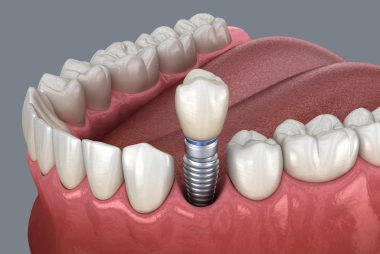
Missing Tooth & Dental Implant
A dental implant needs enough healthy bone around it for support. If bone has been lost, grafting may help rebuild the area so an implant can be placed in a stronger, more favorable position.
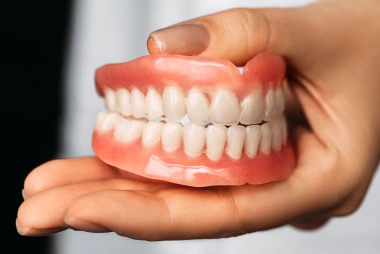
Denture or Bridge Stability
Loss of jawbone can change the shape of the gums and affect how a denture or other restoration fits. Preserving bone may help maintain facial contours and provide better support for future restorative options.
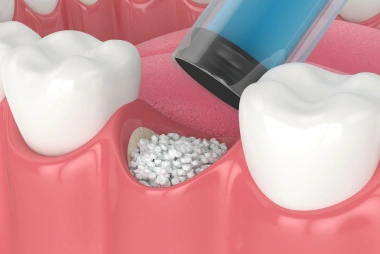
After an Extraction
When a tooth is removed, a bone graft may be placed into the socket to help preserve the ridge and reduce the amount of bone shrinkage that normally occurs during healing.
The Power of PRF: Your Body's Own Healing Support
PRF stands for Platelet-Rich Fibrin. It is made from a small sample of your own blood and contains platelets, fibrin, growth factors, and healing cells that may help support tissue repair.
PRF for Wisdom Teeth & Other Extractions
After a tooth is removed, PRF can be placed directly into the extraction site. Think of it as a natural healing matrix made from your own blood.
- Supports soft-tissue healing
- May help reduce postoperative discomfort and swelling
- Helps stabilize the blood clot and healing environment
- May help support bone healing inside the extraction socket
- Can be especially useful for larger extraction sites or more complex surgery
PRF for Dental Implants & Bone Grafting
PRF can also be combined with bone graft material or placed around an implant site to create a biologically active healing environment.
- Uses healing components from your own blood
- Supports gum and soft-tissue repair
- Can be mixed with graft material to improve handling and stability
- May support early healing around an implant or grafted site
- Provides a natural fibrin matrix that gradually dissolves as healing progresses
What Is PRF? In Simple Terms
PRF is not a medication or artificial product. It is created from your own blood immediately before or during your procedure and is placed where your body needs extra healing support.
Small Blood Draw
A small amount of blood is collected, similar to a routine laboratory blood draw.
Gentle Centrifuge Spin
The blood is placed in a centrifuge, which separates and concentrates the healing components.
PRF Is Prepared
A soft fibrin clot or membrane rich in platelets and growth factors is prepared for use.
At the Surgical Site
PRF is placed in or around the extraction, graft, or implant area to support healing.
Why Patients Choose Bone Grafting & PRF
Natural
PRF is made from your own blood and works with your body's natural healing process.

Preserves Bone
Bone grafting can help maintain the jaw ridge after extraction and support future treatment.

Supports Healing
PRF creates a fibrin matrix that helps organize and support early tissue repair.

Supports Long-Term Planning
Preserving bone today may help keep future implant and restorative options available.
A Stronger Foundation for Your Smile
Every patient is different. Your surgeon will evaluate your bone, extraction site, treatment goals, and overall health to determine whether bone grafting, PRF, or a combination of both may benefit you.