



If you have a missing tooth, you are not alone. Millions of people across the country face this same challenge every year. At Precision Oral Surgeon Bakersfield, Dr. Sam Harouni hears the same concerns from patients in Greenacres week after week. These are the 5 questions about dental bridges we hear every week in Greenacres — and today we are answering all of them honestly and clearly. Whether you are just starting to explore your options or ready to move forward, this guide is for you.
Question 1: What Exactly Is a Dental Bridge and How Does It Work?
A dental bridge is a fixed restoration that literally bridges the gap left by one or more missing teeth. It uses the healthy teeth on either side of the gap as anchors. These anchor teeth, called abutments, are carefully shaped to support the bridge structure. A false tooth — called a pontic — sits in the middle and fills the empty space.
The result looks and functions like your natural teeth. You can eat, speak, and smile with confidence again. Dr. Sam Harouni custom-designs each bridge to match the shade and shape of your surrounding teeth. Most patients are surprised by how natural the final result looks.
Bridges come in different types, including traditional, cantilever, and Maryland bridges. Your specific situation will determine which type is the best fit. Dr. Harouni will assess your bite, bone health, and neighboring teeth during your consultation. That way, your bridge is built to last.
Question 2: Am I a Good Candidate for a Dental Bridge in Greenacres?
This is one of the most common questions we answer as part of the 5 questions about dental bridges we hear every week in Greenacres. Most adults with one or more missing teeth are potential candidates. However, a few key factors determine your eligibility. The teeth next to the gap must be strong and healthy enough to anchor the bridge securely.
Good overall oral health is also important. Active gum disease or severe decay must be treated first. Dr. Harouni will review your full dental health picture before recommending a bridge. This ensures the restoration will hold up over time.
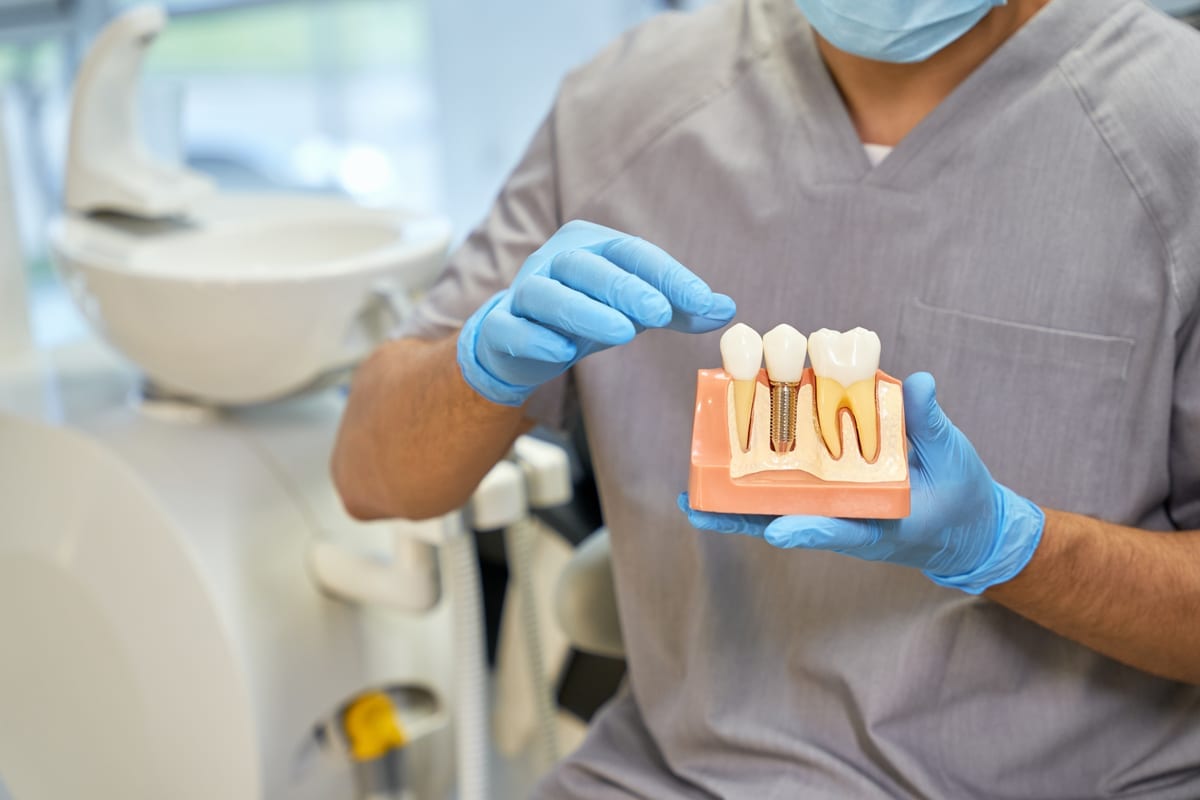
Some patients may actually be better served by Dental Implants Greenacres rather than a bridge. Implants do not rely on neighboring teeth for support. Your consultation with Dr. Harouni will help clarify which option fits your anatomy and goals. There is no one-size-fits-all answer here.
- Strong adjacent teeth are needed to anchor the bridge
- Gum disease and active decay must be treated beforehand
- Sufficient bone structure in the jaw is helpful
- Good oral hygiene habits support long-term bridge success
- Patients who grind their teeth may need additional treatment first
Question 3: What Does the Dental Bridge Process Actually Look Like?
Understanding the process helps patients feel less anxious before they start. Most dental bridge placements happen over two visits. The first visit involves preparing the abutment teeth and taking impressions. A temporary bridge is placed while the permanent one is being crafted.
During the second visit, the temporary bridge is removed. Dr. Harouni then places and adjusts the permanent bridge. He checks your bite carefully to make sure everything aligns properly. Minor adjustments may be made on the spot for comfort.
Here is a simple breakdown of the process:
- Initial consultation and full dental exam
- Tooth preparation and impressions taken
- Temporary bridge placed for protection
- Permanent bridge fabricated at a dental lab
- Final placement and bite adjustment
Most patients find the process straightforward and comfortable. Local anesthesia keeps you relaxed during tooth preparation. Recovery is typically quick, with minimal downtime. You can expect to return to your normal routine the same day.
Question 4: How Long Will My Dental Bridge Last?
Longevity is a top concern for anyone considering a bridge. With proper care, a dental bridge can last 10 to 15 years — sometimes longer. The lifespan depends on how well you maintain your oral hygiene. It also depends on your bite, diet habits, and regular dental check-ups.
Bridges are durable, but they are not indestructible. Chewing on very hard foods or grinding your teeth can cause damage over time. Dr. Harouni may recommend a nightguard if you clench or grind during sleep. Protecting your bridge extends its life significantly.
Daily brushing and flossing are essential. Flossing under the bridge using a floss threader keeps the area clean. Bacteria can accumulate beneath the pontic and lead to decay in the abutment teeth. A clean bridge is a long-lasting bridge.
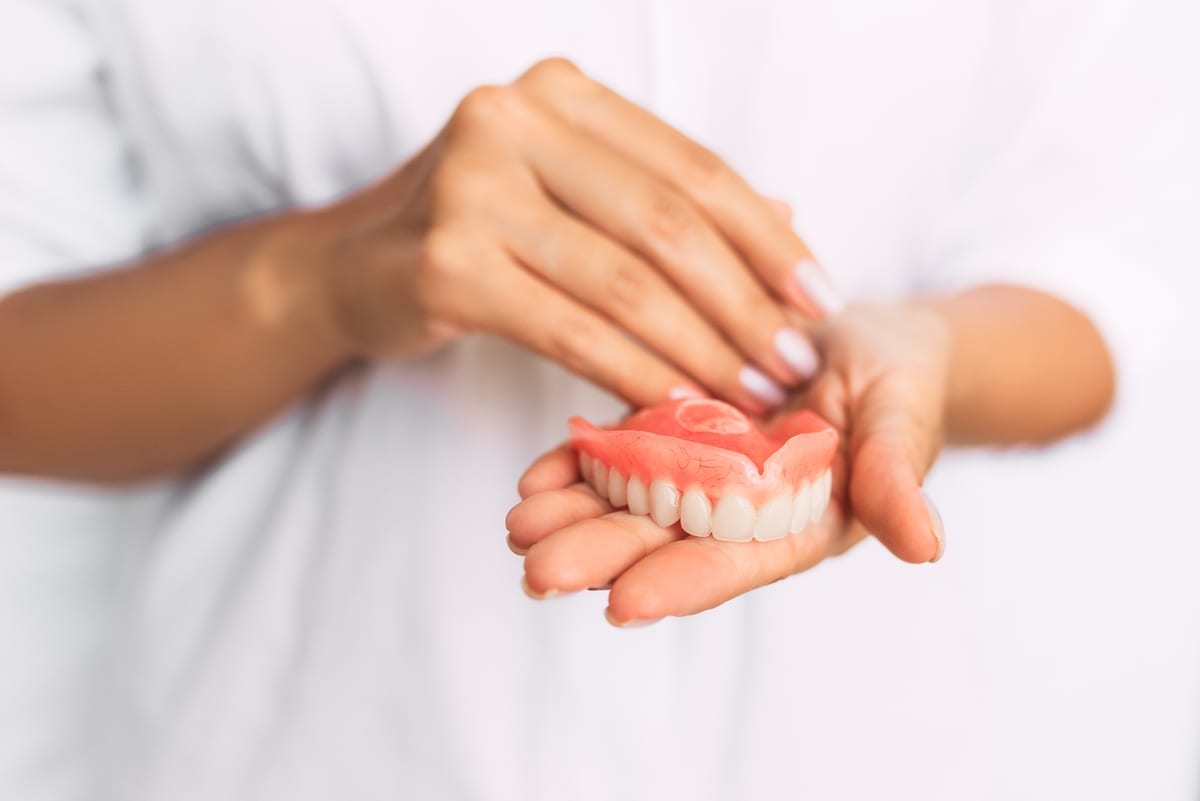
Some patients who want a more permanent solution explore Implant Overdentures Greenacres for additional stability and support. This is worth discussing with Dr. Harouni if you have multiple missing teeth. Every patient’s situation is unique. The right solution is the one that fits your long-term health goals.
Question 5: Will Getting a Dental Bridge Hurt?
Pain concern is completely understandable — and very common. The honest answer is that most patients experience minimal discomfort during the procedure. Dr. Harouni uses local anesthesia to numb the treatment area. You should feel pressure but not pain during the appointment.
After the numbing wears off, mild soreness around the prepared teeth is normal. This typically lasts a few days and is easily managed. Over-the-counter pain relievers usually handle any discomfort well. Most patients feel back to normal within a week.
The temporary bridge may feel slightly different in your mouth. This is expected and nothing to worry about. Once the permanent bridge is placed, most patients quickly adapt to the feel. Many say they forget the bridge is even there within a short time.
- Local anesthesia is used during every procedure
- Mild soreness after preparation is common but brief
- Over-the-counter pain relief is usually sufficient
- The permanent bridge typically feels natural very quickly
- Sensitivity near the abutment teeth usually fades within days
Making the Right Choice for Your Smile in Greenacres
Choosing a dental bridge is a meaningful decision for your health and confidence. We hope these answers to the 5 questions about dental bridges we hear every week in Greenacres have given you clarity. Dr. Sam Harouni and the team at Precision Oral Surgeon Bakersfield are here to guide you every step of the way. You deserve honest, personalized care — and that is exactly what we provide.
No question is too small and no concern is too minor. We encourage you to come in for a consultation and get a full picture of your options. Our team takes time to listen, explain, and empower you to make the best decision for your smile. We are proud to serve the Greenacres community with compassionate, expert care.
Your healthy, complete smile is closer than you think. Book Now to schedule your appointment with our team.
Frequently Asked Questions
How much does a dental bridge cost in Greenacres, CA?
The cost of a dental bridge varies depending on the number of teeth being replaced, the type of bridge, and the materials used. During your consultation at Precision Oral Surgeon Bakersfield, Dr. Sam Harouni will provide a transparent cost breakdown based on your specific treatment plan. We want you to feel fully informed before making any decisions.
Can a dental bridge fall out?
A properly placed and well-maintained dental bridge is designed to stay firmly in place. However, bridges can loosen over time if the supporting teeth are affected by decay or gum disease. Regular check-ups and good daily oral hygiene significantly reduce this risk. If you ever notice movement or discomfort, contact our office promptly.
Is a dental bridge better than an implant?
Both bridges and implants are excellent solutions, but they serve different needs. A dental bridge is often a faster process and works well when the adjacent teeth are healthy. An implant preserves bone and does not require altering neighboring teeth. Dr. Harouni will help you weigh the pros and cons based on your unique oral health situation.
How do I clean under a dental bridge?
Cleaning under a dental bridge requires a little extra effort but is very manageable. Use a floss threader or interdental brush to clean beneath the pontic daily. Water flossers are also very effective for reaching under bridges. Dr. Harouni’s team will show you the exact technique during your care instructions appointment.
How soon after a tooth extraction can I get a dental bridge?
In most cases, dentists recommend waiting several weeks to a few months after an extraction before placing a permanent bridge. This allows the gum tissue to heal properly and ensures the bridge fits accurately. Dr. Sam Harouni will assess healing at your follow-up and determine the ideal timing for your restoration.

Expert Oral Care at Your Fingertips
Experience exceptional oral care tailored to your needs. Contact us to schedule an appointment and explore the transformative possibilities for your oral health. Your brighter smile is just a call away.