


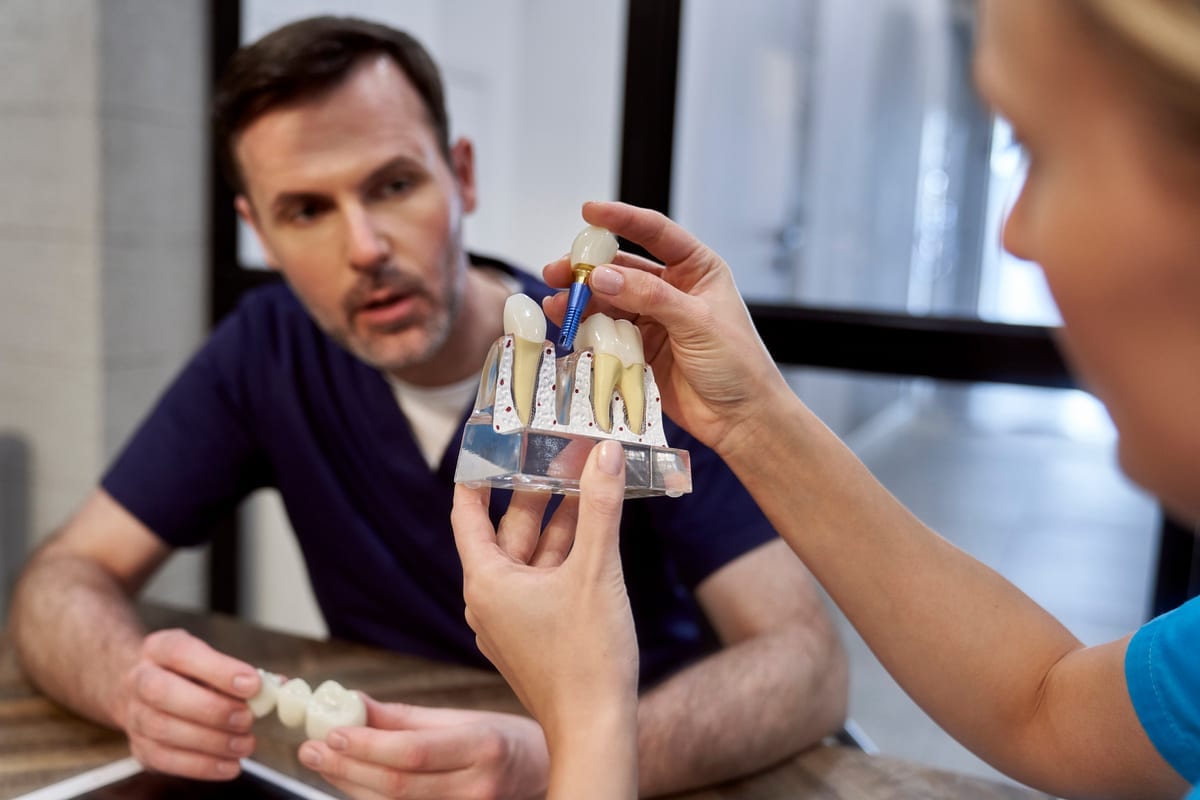
Is your jaw bone disappearing? Why waiting on implants costs you more in Bakersfield is a question many patients wish they had asked sooner. Tooth loss triggers a quiet but serious chain reaction beneath your gums. Bone starts to shrink, teeth begin to shift, and everyday tasks like chewing become painful. Dr. Sam Harouni at Precision Oral Surgeon Bakersfield sees this pattern often — and the earlier you act, the better your outcome.
What Happens to Your Jaw Bone After Tooth Loss?
Your jaw bone stays healthy because tooth roots stimulate it with every bite. When a tooth is gone, that stimulation stops completely. The bone in that area begins to resorb, or break down, within the first few months. This process is silent, painless, and often invisible until significant damage has already occurred.
Studies show that patients can lose up to 25% of jaw bone width in the first year after extraction. Over time, the bone continues to shrink in both height and density. This makes placing implants more complex — and sometimes requires additional bone grafting procedures. Acting sooner protects the bone you still have.
Warning Signs You Have Already Waited Too Long in Bakersfield
Many Bakersfield residents assume tooth loss is only a cosmetic problem. In reality, it affects your bite, your nutrition, and your facial structure. Recognizing the warning signs early can save you from more complex and costly treatment down the road.
Watch closely for these red flags:
- Shifting teeth: Neighboring teeth drift into the empty space over time.
- Difficulty chewing: You avoid certain foods because chewing has become painful or uncomfortable.
- Sunken facial appearance: Your cheeks look hollow or your face appears to have aged rapidly.
- Loose dentures or bridges: Existing restorations no longer fit because the bone beneath has shrunk.
- Jaw pain or soreness: Uneven bite pressure strains your jaw muscles and joints.
- Visible bone changes on X-rays: Your dentist notices reduced bone height in imaging.
If you recognize one or more of these signs, your window for simpler treatment is closing. The good news is that implants can still restore your smile — but the process may involve more steps than it would have earlier.
Why Delay Makes Implants More Complicated and More Costly
Placing a dental implant requires a strong, dense foundation of jaw bone. When patients wait months or years after tooth loss, that foundation deteriorates. Dr. Harouni may then need to perform bone grafting before placing any implant. This adds both time and expense to your overall treatment plan.
Shifting teeth create additional complications. When neighboring teeth lean into the gap, they move out of proper alignment. Correcting that misalignment before or during implant placement adds further steps. What could have been a straightforward single implant becomes a multi-stage process.
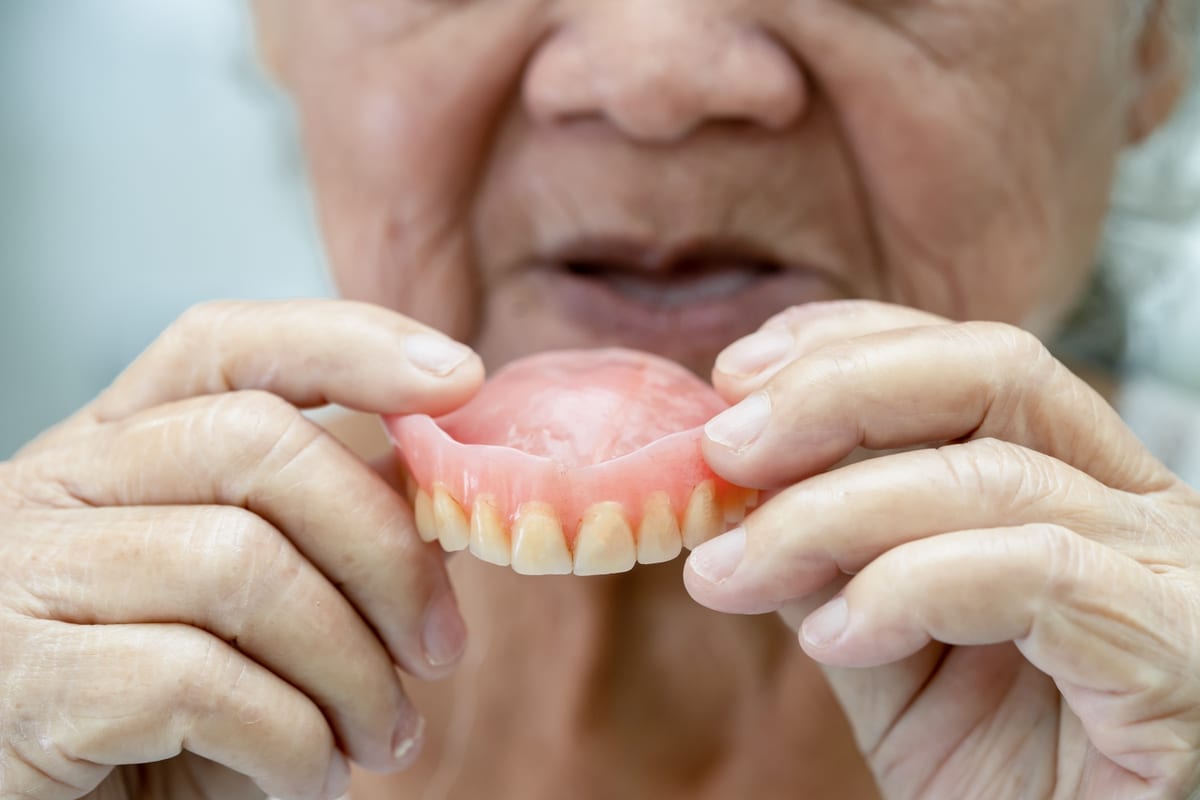
Patients who have lost multiple teeth often explore full-arch solutions. Implant Overdentures Bakersfield offer a stable, bone-preserving alternative to traditional dentures. They anchor securely to implants, stimulate the bone, and eliminate the slipping and discomfort that conventional dentures cause. The sooner you transition to this solution, the more bone you preserve for long-term support.
For patients missing several teeth in a row, Implant Bridges Bakersfield provide a fixed, natural-feeling restoration. Unlike traditional bridges, they do not rely on healthy neighboring teeth for support. They also preserve bone beneath the missing teeth — something a conventional bridge cannot do.
How Dr. Sam Harouni Evaluates Bone Health in Bakersfield Patients
At Precision Oral Surgeon Bakersfield, every implant consultation begins with a thorough evaluation of your bone health. Dr. Harouni uses advanced 3D cone beam CT imaging to assess bone volume, density, and structure. This technology provides a precise picture that standard X-rays simply cannot deliver.
The evaluation includes a full review of your dental and medical history. Dr. Harouni examines how long the tooth has been missing and how surrounding teeth have responded. He also assesses your bite, gum health, and jaw joint function. This comprehensive approach ensures that your treatment plan is tailored specifically to your needs.
From there, Dr. Harouni explains your options clearly and honestly. If bone grafting is needed, he walks you through exactly what that involves and how it affects your timeline. You leave the consultation with a complete understanding of your situation — not a list of confusing jargon.
What You Can Expect During Implant Treatment
Many patients feel anxious about oral surgery, but the process is more manageable than most expect. Here is a general overview of what implant treatment looks like:
- Consultation and imaging: Dr. Harouni evaluates your bone and discusses your goals.
- Bone grafting (if needed): Grafting rebuilds the foundation before implant placement.
- Implant placement: A titanium post is placed into the jaw bone under local anesthesia.
- Healing period: The implant integrates with the bone over several months.
- Crown or restoration placement: A natural-looking crown, bridge, or overdenture is attached.
Most patients report that discomfort after placement is mild and manageable. Recovery varies based on the complexity of your case. Dr. Harouni and his team guide you through every stage with clear aftercare instructions.
Benefits of Acting Now Instead of Waiting
Choosing to move forward with implants sooner rather than later offers real, measurable advantages. Consider what you gain by acting now:
- You preserve more existing bone, which simplifies the procedure.
- You prevent neighboring teeth from shifting out of alignment.
- You restore full chewing function and enjoy a wider range of foods.
- You protect your facial structure and avoid a prematurely aged appearance.
- You reduce the likelihood of needing additional procedures like bone grafting.
- You invest in a solution designed to last decades with proper care.
Every month you wait is another month of bone loss. The difference between acting now and acting a year from now can mean the difference between a single-stage and a multi-stage procedure.
Take the Next Step at Precision Oral Surgeon Bakersfield
If you have been putting off replacing a missing tooth, now is the time to get honest answers about your bone health. Dr. Sam Harouni and the team at Precision Oral Surgeon Bakersfield are here to evaluate your situation without pressure or judgment. We understand that dental decisions feel overwhelming. Our goal is to give you the clarity you need to make the right choice for your long-term health. Book Now to schedule your appointment with our team.
Frequently Asked Questions
How quickly does jaw bone loss begin after a tooth is removed?
Bone resorption can begin within weeks of a tooth extraction. The most significant bone loss typically occurs in the first six to twelve months. Acting early — ideally within a few months — gives you the best chance of preserving enough bone for a straightforward implant placement.
Can jaw bone loss be reversed without surgery?
Unfortunately, bone that has already resorbed cannot grow back on its own. A bone grafting procedure can rebuild the lost volume and create a stable foundation for an implant. Dr. Harouni will assess whether grafting is necessary during your consultation and explain what the process involves.
What if I have been missing a tooth for several years? Is it too late for implants?
It is rarely too late for dental implants. Patients who have experienced significant bone loss may require bone grafting before implant placement, but this is a well-established and effective procedure. Dr. Harouni will use 3D imaging to determine exactly what your situation requires and present all available options.
Are dental implants a permanent solution?
Dental implants are designed to be a long-term, durable solution. With proper oral hygiene and regular dental visits, implants can last for decades. The crown or restoration attached to the implant may eventually need replacement, but the implant itself is built to integrate permanently with your jaw bone.
How do I know if I need an implant overdenture or an implant bridge?
The right solution depends on how many teeth you are missing and the condition of your remaining teeth and bone. Implant overdentures typically suit patients who are missing most or all teeth in an arch. Implant bridges work well for patients missing several consecutive teeth. Dr. Harouni will review your specific case and recommend the option that best fits your anatomy and goals.

Expert Oral Care at Your Fingertips
Experience exceptional oral care tailored to your needs. Contact us to schedule an appointment and explore the transformative possibilities for your oral health. Your brighter smile is just a call away.