


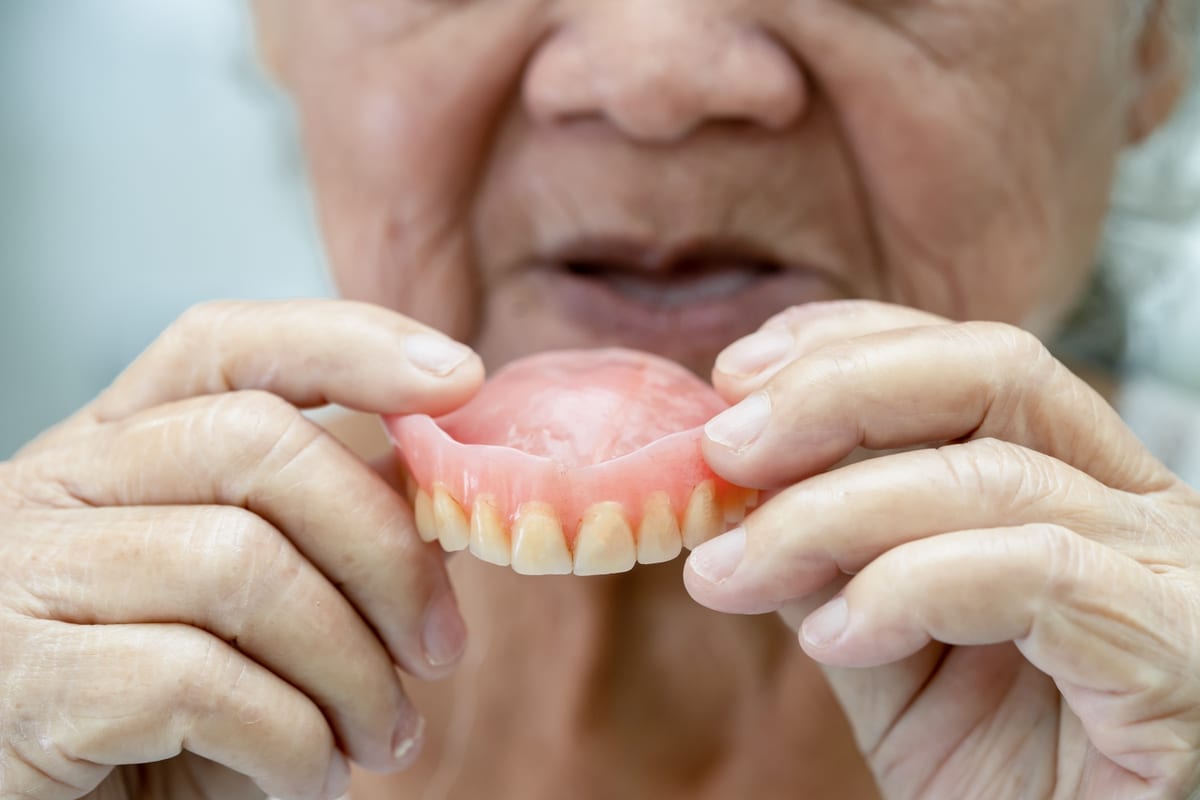
If your dentures once felt snug but now slip, click, or cause sore spots, you are not alone. Many Bakersfield patients come to us confused and frustrated by this exact problem. Understanding why your dentures stopped fitting and what to do about it in Bakersfield starts with one key concept: your jaw never stops changing. Dr. Sam Harouni at Precision Oral Surgeon Bakersfield helps patients navigate this process with clarity and confidence every day.
Why Your Jaw Changes After You Lose Teeth
Your jawbone needs stimulation to stay dense and healthy. Natural tooth roots provide that stimulation every time you bite or chew. When teeth are removed, that stimulation disappears. Without it, the bone underneath begins to shrink in a process called bone resorption.
Bone resorption is gradual but constant. Most people lose a noticeable amount of bone within the first year after extraction. The process continues slowly for decades. This is the root cause behind why dentures stop fitting over time.
The gum tissue also changes shape as the underlying bone shrinks. Dentures are custom-made to fit a specific bone and tissue contour. As those contours shift, the denture no longer matches the surface it was designed for.
Signs Your Dentures No Longer Fit Properly
Recognizing the warning signs early can prevent bigger problems. A poor-fitting denture can cause irritation, infections, and even accelerate bone loss further. Watch for these common signs:
- Dentures slip or shift while eating or speaking
- Clicking or popping sounds when your mouth moves
- Sore spots, redness, or ulcers on your gums
- Food getting trapped under the denture regularly
- Needing more adhesive than you used to
- Difficulty chewing foods you once handled easily
If you notice any of these issues, do not wait. Small fit problems become larger structural and health concerns over time. Scheduling an evaluation is the smartest first step.
What to Do About It: Relining, Rebasing, and Replacement
There are three primary solutions when dentures stop fitting well. The right choice depends on the age of your denture, the degree of bone change, and the overall condition of the appliance itself. Dr. Harouni evaluates each patient individually to recommend the most appropriate path forward.
Relining involves adding new material to the tissue-facing surface of your existing denture. This reshapes the interior so it matches your current gum contours. Relining works well when the denture base is still structurally sound and the fit issue is mild to moderate.
There are two types of relines: soft and hard. Soft relines use a cushion-like material and are often recommended for sensitive gums. Hard relines use a more durable acrylic and tend to last longer. Your dentist will recommend one based on your comfort needs and the condition of your gum tissue.
Rebasing replaces the entire acrylic base of the denture while keeping the existing teeth. It is typically chosen when the base has worn significantly or cracked but the artificial teeth are still in good shape. Think of it as giving your denture a new foundation.
Replacement becomes necessary when the denture is too old or damaged to be corrected. Most full dentures have a lifespan of five to seven years. After that, the fit, bite, and aesthetics may all require a fresh start with a new appliance.
Why Dental Implants Offer a Long-Term Solution in Bakersfield
Relining and rebasing are effective short-term fixes. However, they do not address the underlying bone resorption that causes the problem in the first place. For patients seeking a more permanent and stable solution, implant-supported options are worth exploring.
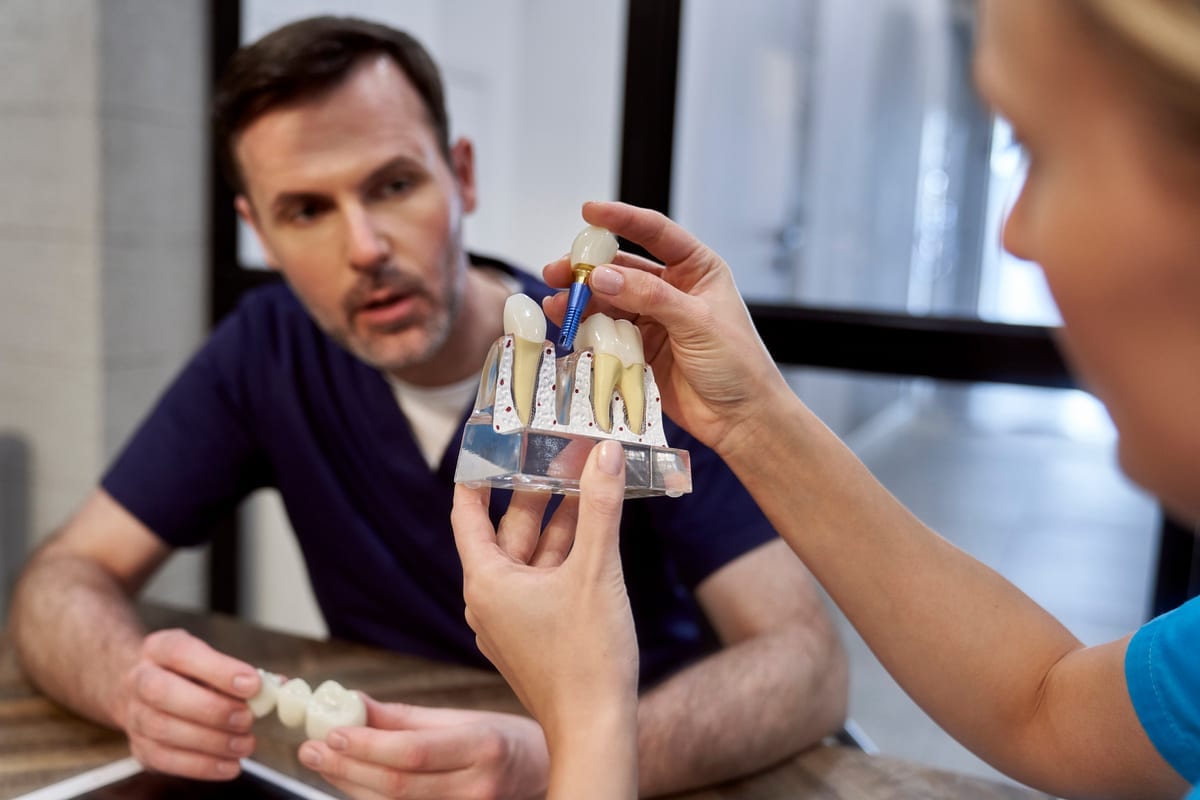
Dental Implants Bakersfield work by replacing the root of a missing tooth with a titanium post inserted into the jawbone. This restores the stimulation the bone needs to stay dense. Over time, implants actually help preserve the bone rather than allowing it to continue shrinking.
For patients who want to keep the convenience of a removable prosthetic, implant-retained dentures are an excellent middle ground. These dentures snap onto implant posts for a much more secure fit. They reduce slipping dramatically and improve chewing efficiency.
Patients who have lost multiple teeth in a row may also benefit from Implant Bridges Bakersfield. These fixed restorations attach to implants and eliminate the need for a removable appliance entirely. They feel and function much more like natural teeth.
What Bakersfield Patients Should Expect During an Evaluation
Coming in for a denture evaluation is straightforward and stress-free. Dr. Harouni takes time to listen to your concerns before examining your mouth and appliance. There is no judgment — bone resorption is a natural process, not a sign of negligence.
During your visit, the team will typically:
- Review how long you have had your current denture
- Examine the fit and stability of the appliance in your mouth
- Assess the health of your gum tissue and underlying bone
- Take any necessary imaging to evaluate bone density and structure
- Discuss all available treatment options with you clearly
You will leave with a clear understanding of your options and what each one involves. No pressure, no confusion — just straightforward guidance from a team that genuinely cares about your quality of life.
Tips to Extend the Life of Your Dentures
Proper care can slow down some of the wear that affects denture fit. While bone resorption cannot be stopped without implants, you can protect your appliance and your gum health with good habits.
- Remove and rinse dentures after every meal
- Soak dentures overnight in a denture-safe solution
- Brush dentures gently with a soft brush — never use regular toothpaste
- Handle dentures over a folded towel to prevent breakage if dropped
- Visit your dentist at least once a year for fit checks and oral health exams
These habits will not reverse bone loss, but they keep your appliance in better condition between professional adjustments. They also help you catch early fit issues before they become serious problems.
Conclusion: Your Comfort Matters — Get the Right Fit Again
Dentures stop fitting because your body is always changing — and that is completely normal. Bone resorption is a predictable process, and there are effective solutions at every stage. Whether you need a simple reline or are considering implant-supported options, Precision Oral Surgeon Bakersfield is here to help you find the right answer. Dr. Sam Harouni and the team are committed to restoring your comfort, your confidence, and your ability to enjoy life without worrying about your teeth. Book Now to schedule your appointment with our team.
Frequently Asked Questions
How often should dentures be relined?
Most dentists recommend having your dentures evaluated for relining every one to two years. Bone resorption happens continuously, so the fit will gradually change over time. Regular checkups allow your provider to catch fit problems early before they cause discomfort or damage to your gum tissue.
Can I reline my dentures at home with a kit?
Over-the-counter reline kits are available, but dental professionals generally advise against them. Home kits rarely produce an accurate fit and can actually worsen the problem. Poorly applied materials can irritate gum tissue or cause uneven pressure on the jawbone. A professional reline from a trained provider is always the safer and more effective choice.
How do I know if I need a reline, rebase, or full replacement?
The answer depends on the age and overall condition of your denture. A dentist will evaluate the base, the artificial teeth, and the current fit before making a recommendation. Generally, newer dentures with mild fit issues benefit from relining, while older or damaged dentures may need full replacement.
Does bone loss stop once I get dentures?
Unfortunately, bone resorption continues even after dentures are placed. Traditional dentures sit on top of the gum surface and do not stimulate the underlying bone the way natural roots do. Dental implants are currently the only option that can help preserve bone density by integrating directly with the jawbone.
Are implant-supported dentures covered by the same process as regular dentures?
Implant-supported dentures involve a surgical component to place the implant posts into the jaw, followed by the creation of the denture itself. The process takes longer than conventional dentures but provides significantly better stability and long-term bone preservation. Dr. Harouni can walk you through every step during a consultation at Precision Oral Surgeon Bakersfield.
Expert Oral Care at Your Fingertips
Experience exceptional oral care tailored to your needs. Contact us to schedule an appointment and explore the transformative possibilities for your oral health. Your brighter smile is just a call away.