


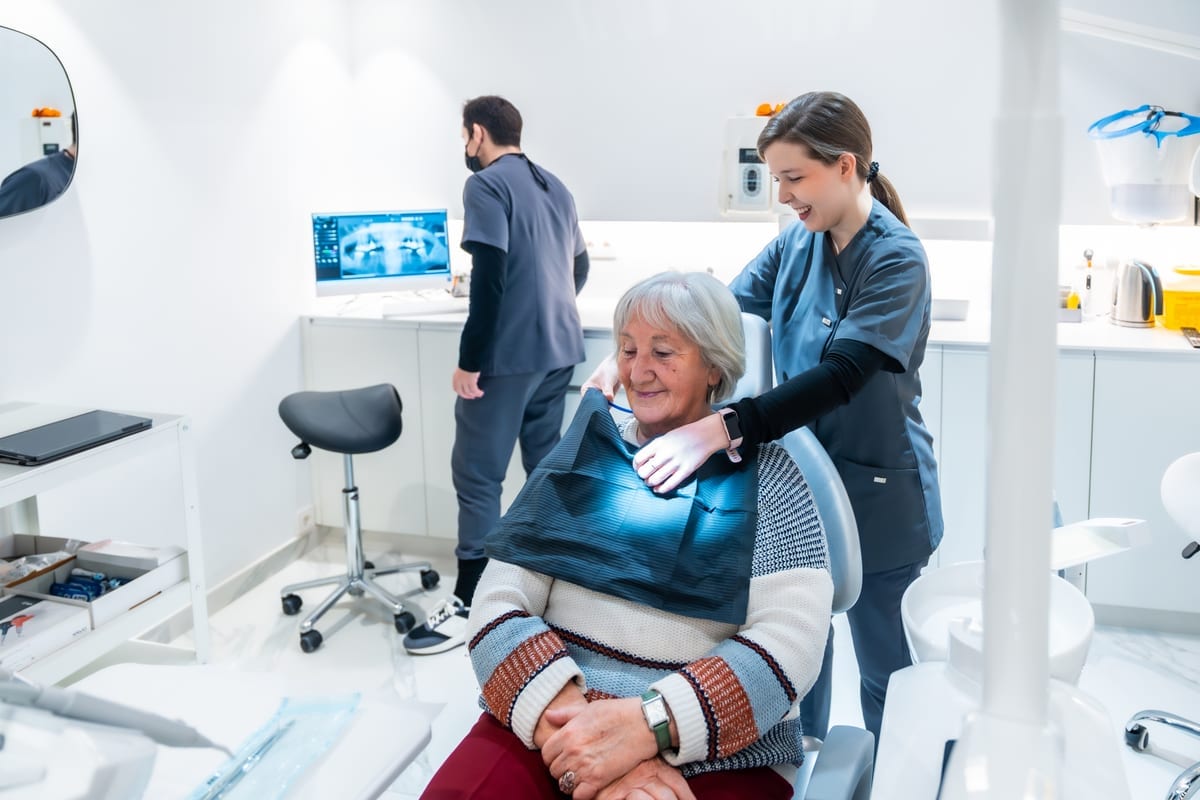
Dental bridges last 10–15 years on average — but that number is not set in stone. What determines yours in Bakersfield depends on several factors you can actually control. Dr. Sam Harouni at Precision Oral Surgeon Bakersfield helps patients understand exactly what extends — or shortens — the life of their dental bridge. The more you know, the longer your restoration can last.
What Is a Dental Bridge and Why Longevity Matters
A dental bridge replaces one or more missing teeth by anchoring to the natural teeth on either side. Those anchor teeth, called abutments, carry the load of your bite every single day. Over time, the stress of chewing, grinding, and daily wear affects both the bridge and the surrounding teeth. That is why longevity is the most important factor when choosing this restoration.
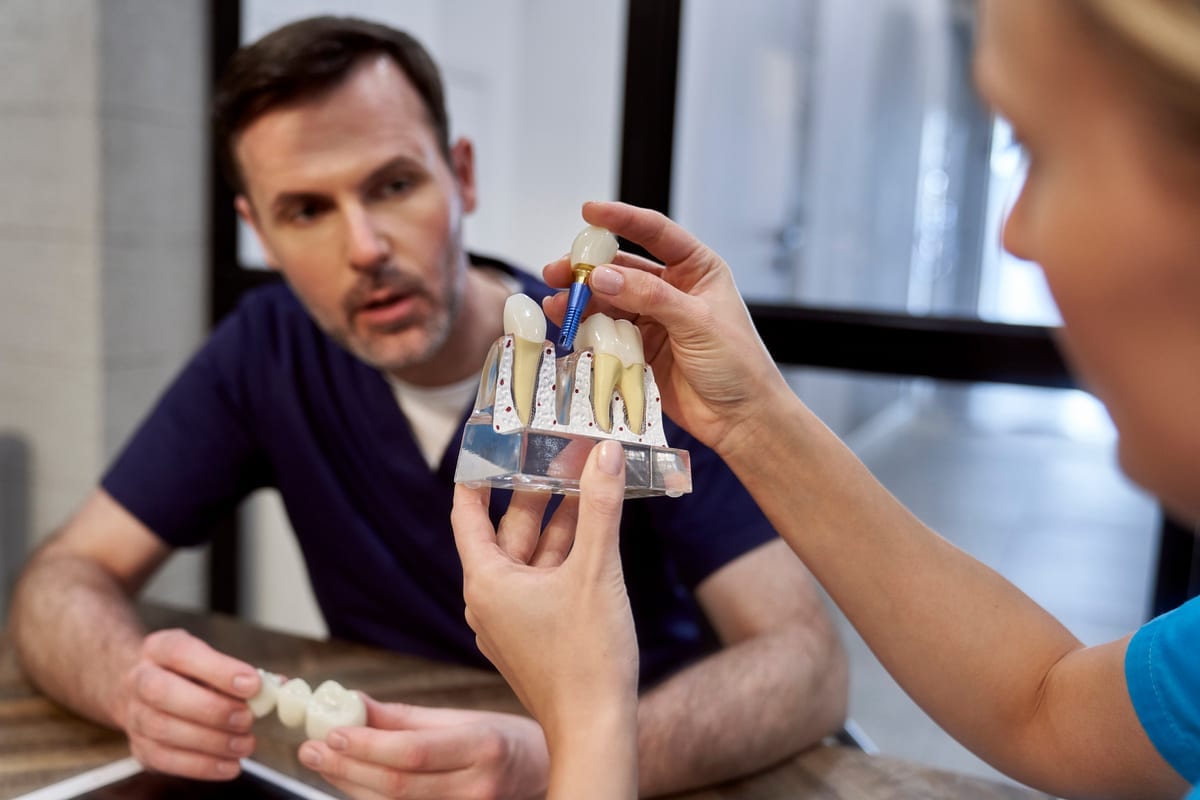
Traditional bridges use dental crowns on the abutment teeth to hold the pontic (false tooth) in place. Implant-supported bridges attach to titanium posts instead of natural teeth. Both options have different lifespan ranges, and both respond differently to how well you care for them. Understanding those differences helps you set realistic expectations.
Patients in Bakersfield often ask whether a bridge or implant makes more sense for their situation. If you are exploring other options, Dental Implants Bakersfield may offer a longer-lasting alternative worth discussing with Dr. Harouni.
Key Factors That Determine How Long Your Bridge Lasts in Bakersfield
No two bridges age the same way. Several specific factors influence how long yours will hold up in daily life.
- Oral hygiene habits: Plaque buildup under the bridge causes decay in the abutment teeth. Once those teeth weaken, the entire bridge fails.
- Diet and chewing habits: Hard foods, ice, and sticky candy all put extra stress on the porcelain and cement bond.
- Teeth grinding (bruxism): Grinding at night accelerates wear on crowns and can crack the bridge material over time.
- Fit and bite alignment: A poorly fitted bridge creates uneven pressure. That leads to early failure and potential jaw discomfort.
- Quality of placement: The skill of your dental provider directly impacts how well the bridge integrates and holds long-term.
- Regular dental checkups: Routine exams catch small problems before they destroy the entire restoration.
Bakersfield patients who address these factors proactively tend to see bridges last well beyond the average 10–15 year range. Those who skip cleanings or ignore grinding often see failures much sooner. Small habits truly make a significant difference over time.
What Shortens a Dental Bridge’s Lifespan
Several common mistakes cause bridges to fail before their time. Knowing these pitfalls helps you avoid them entirely.
The biggest culprit is poor oral hygiene around the bridge margins. Food and bacteria collect in the tiny gap between the bridge and the gumline. Without daily flossing using a floss threader or water flosser, decay forms on the abutment teeth beneath the crown. Once that decay progresses, the anchor tooth may no longer support the bridge.
Teeth grinding is another major lifespan killer. Many Bakersfield patients grind at night without realizing it. A custom nightguard from Dr. Harouni can protect the bridge material and the surrounding teeth from that constant pressure. Skipping that protection means accelerated wear on the porcelain surface.
Eating extremely hard foods regularly also stresses the cement and porcelain. Chewing ice, hard candy, or biting fingernails puts unnecessary force on the bridge. These habits are easy to change — and the payoff in restoration longevity is significant.
What Extends a Dental Bridge’s Lifespan
The good news is that extending your bridge’s life is largely within your control. Consistent daily care makes the biggest impact over time.
- Brush twice daily with a soft-bristle toothbrush, paying close attention to the gumline around each crown.
- Floss daily using a floss threader or water flosser to clean beneath the bridge pontic.
- Use fluoride toothpaste to strengthen the enamel on your abutment teeth and prevent root decay.
- Visit Dr. Harouni every six months for professional cleanings and bridge inspections.
- Wear a nightguard if you grind your teeth to protect the bridge from excessive pressure.
- Avoid using your teeth as tools — opening packages or biting hard objects shortens bridge life significantly.
Dr. Harouni also recommends periodic X-rays to check the health of the abutment teeth beneath the crowns. Problems hiding below the surface can be caught and treated before they compromise the bridge. Early intervention is always less costly and less complex than full bridge replacement.
For patients who need more stability than a traditional bridge can provide, Implant Overdentures Bakersfield may offer a longer-lasting, bone-preserving solution worth exploring.
When to Replace a Dental Bridge: Signs to Watch For
Even a well-maintained bridge will eventually need replacement. Recognizing the signs early prevents bigger dental problems down the road.
Watch for these warning signs that your bridge may be failing:
- Sensitivity or pain in the abutment teeth beneath the crowns
- Visible chips, cracks, or fractures in the bridge material
- A loose or rocking sensation when you bite down
- Gum recession around the bridge margins
- Persistent bad breath despite good oral hygiene
If you notice any of these signs, schedule an evaluation with Dr. Harouni as soon as possible. Waiting too long can result in damage to the abutment teeth. In some cases, that damage means the tooth cannot support a new bridge at all.
Bakersfield patients often find that replacing a bridge at the right time — before the abutment teeth are severely compromised — opens up more restoration options. Acting early gives you more choices and better long-term outcomes.
Conclusion: Your Bridge Longevity Starts With the Right Care in Bakersfield
Dental bridges last 10–15 years on average, but your habits and your provider determine whether yours lasts closer to 10 or well past 15. Daily hygiene, smart dietary choices, wearing a nightguard, and keeping up with regular checkups all add years to your restoration. Dr. Sam Harouni and the team at Precision Oral Surgeon Bakersfield are here to help you get the most out of every dental investment you make. Book Now to schedule your appointment with our team.
Frequently Asked Questions
How long do dental bridges really last?
Most dental bridges last between 10 and 15 years with proper care. Some well-maintained bridges last 20 years or more. The lifespan depends heavily on your oral hygiene habits, diet, and whether you grind your teeth at night.
What is the most common reason a dental bridge fails early?
The most common cause of early bridge failure is decay forming on the abutment teeth beneath the crowns. This usually happens when patients skip daily flossing around the bridge. Regular cleanings and proper home care prevent this from occurring.
Can a dental bridge be repaired instead of replaced?
Minor chips or surface damage can sometimes be repaired without replacing the entire bridge. However, if the underlying abutment teeth are decayed or the cement bond has failed completely, full replacement is typically necessary. Dr. Harouni will evaluate your specific situation and recommend the most conservative option.
Is an implant-supported bridge longer lasting than a traditional bridge?
Implant-supported bridges tend to last longer because they do not rely on natural teeth as anchors. They also help preserve the jawbone beneath the missing teeth. However, they require a surgical procedure and sufficient bone density to place the implants successfully.
How often should I see a dentist to maintain my dental bridge?
You should visit your dental provider every six months for professional cleanings and a bridge inspection. Dr. Harouni may also recommend periodic X-rays to check the health of the abutment teeth and the surrounding bone. Consistent follow-up care is one of the most effective ways to extend your bridge’s lifespan.
Expert Oral Care at Your Fingertips
Experience exceptional oral care tailored to your needs. Contact us to schedule an appointment and explore the transformative possibilities for your oral health. Your brighter smile is just a call away.